History of DGB2
The History of DGB2: Development, Challenges, and Evolution
Origins and Early Development
DGB2 emerged as a response to scalability and decentralization concerns within existing blockchain infrastructures. Initially designed to enhance transaction throughput while maintaining a strong security model, its development was driven by an independent group of blockchain engineers who prioritized efficiency without compromising decentralization. The early whitepaper outlined ambitious goals, including a hybrid consensus mechanism aimed at balancing security with high-speed confirmations.
Consensus Mechanism Evolution
One of the defining early milestones was its shift in consensus structure, which initially mirrored traditional Proof-of-Work (PoW) but later introduced optimizations to reduce energy consumption. This transition led to debates within the developer community, as some preferred maintaining a more standardized hashing algorithm while others pushed for an approach that favored sustainability and accessibility. The eventual implementation of a multi-layered validation system marked a key divergence from competitors, ensuring both security and performance enhancements.
Hard Forks and Network Upgrades
DGB2 has undergone several hard forks, each addressing critical flaws and introducing optimizations. Some forks were planned updates to improve scalability and security, while others were more contentious, splitting community sentiment. One particular upgrade aimed at adjusting block reward distribution led to heated debates over miner incentives, with some arguing that the rebalancing disproportionately favored large mining pools over solo miners. This fracturing of interests occasionally slowed decision-making, highlighting governance challenges within the ecosystem.
Security Incidents and Challenges
Despite a strong security emphasis, DGB2 has not been without issues. A notable network exploit in its early years exposed weaknesses in its transaction validation model, leading to an emergency patch and temporary rollback of the chain. This incident, while ultimately addressed, caused reputational concerns, particularly among early adopters wary of novel architectures. Additionally, bot-driven spam attacks briefly congested the network at one point, necessitating changes in transaction fees to deter abuse.
Adoption Struggles and Market Perception
While technically innovative, DGB2 has faced hurdles in gaining widespread adoption. Some exchanges were initially hesitant to list it due to concerns over liquidity and longevity. Developer engagement has varied over time, with periods of rapid contributions followed by stagnation, depending on funding cycles and interest within the broader crypto community. Although boasting a loyal core user base, it has struggled against larger, more well-funded projects that dominate developer mindshare.
Governance and Decentralization Concerns
DGB2 has always positioned itself as a decentralized asset, yet governance-related conflicts have periodically surfaced. A lack of structured decision-making led to delays in certain protocol upgrades, particularly when competing factions within the community could not reach consensus. Some critics argue that the absence of a formalized improvement proposal process has hindered long-term strategic planning, making development sometimes reactive rather than proactive.
How DGB2 Works
How DGB2 Works: Consensus, Transactions, and Network Mechanics
Hybrid Consensus Mechanism
DGB2 employs a unique hybrid consensus model that combines proof-of-work (PoW) with modified proof-of-stake (PoS). The PoW component secures the network through mining, utilizing a multi-algorithm approach that distributes mining power across different cryptographic hash functions. This enhances network decentralization while reducing the risk of single-algorithm dominance. The PoS layer operates in parallel, allowing token holders to participate in validation, reducing reliance on pure mining and mitigating some energy consumption concerns.
Multi-Layered Network Architecture
The DGB2 blockchain is structured with a multi-layered architecture to separate different functions. The base layer handles core transaction validation and security. On top of this, an intermediate layer facilitates smart contracts and token issuance, while the third layer enables high-performance applications that interact with the blockchain. The separation of concerns enhances scalability and allows for more adaptable development. However, this design introduces complexity, requiring optimized infrastructure for seamless interoperability between layers.
Transaction Model and Fees
DGB2 transactions leverage an optimized UTXO model, ensuring efficient verifiability and parallel processing for improved throughput. The network employs dynamic fee adjustments based on on-chain congestion and computational resource demand. While this helps prevent spam attacks and keeps transaction costs aligned with network capacity, fee fluctuations can be unpredictable, potentially creating usability issues during peak activity.
Smart Contracts and Tokenization
The smart contract functionality in DGB2 is designed to be lightweight, prioritizing security over excessive flexibility. This approach reduces attack vectors such as reentrancy or malicious execution but limits the complexity of smart contract logic compared to fully-fledged programmable blockchains. Tokenization is supported natively, enabling asset issuance without the need for additional protocol layers. However, the lack of advanced scripting features may restrict certain DeFi and NFT use cases.
Network Security and Governance
DGB2 integrates an adaptive difficulty adjustment mechanism, ensuring block times remain consistent even under fluctuating mining participation. Additionally, the PoS layer introduces a governance component, where staking participants influence protocol upgrades. While this hybrid governance model enhances decentralization, it also presents challenges in coordinating updates efficiently. Disagreements between miners and stakers could potentially slow down protocol evolution.
Limitations and Scalability Concerns
Despite utilizing parallelized processing and a multi-layer structure, DGB2 faces potential bottlenecks when handling large-scale adoption. While it supports high transaction throughput compared to older blockchains, network congestion can still arise due to the limitations of its underlying consensus mechanisms. Further optimizations may be required to maintain performance without compromising decentralization or security.
Use Cases
DGB2 Use Cases: Real-World Applications and Limitations
1. Payments and Microtransactions
DGB2 is designed for fast, low-cost transactions, making it viable for payments and microtransactions. Its high throughput and low fees allow users to conduct transactions efficiently without significant network congestion. However, merchant adoption remains limited, and competition from more established payment-focused blockchains presents challenges.
2. Smart Contracts and Decentralized Applications (dApps)
DGB2 supports smart contracts, enabling developers to build dApps on its network. The platform emphasizes secure and scalable execution, which can benefit DeFi protocols, gaming applications, and digital identity solutions. However, its developer ecosystem is not as mature as Ethereum or Solana, leading to a smaller number of existing dApps and fewer development tools.
3. Cross-Chain Interoperability
DGB2 incorporates interoperability features that increase its utility in multi-chain transactions. This enables asset transfers across blockchains without centralized intermediaries. However, the effectiveness of DGB2’s cross-chain capabilities depends on the adoption of its ecosystem by other networks and third-party bridge solutions, which is still developing.
4. Privacy and Security
DGB2 includes privacy-enhancing features that allow for confidential transactions. This makes it useful for users seeking increased financial privacy. However, regulatory concerns around privacy coins and anonymous transactions may limit mainstream adoption and exchange support.
5. Staking and Network Security
Users can stake DGB2 to participate in network validation, securing the blockchain while earning rewards. This creates an incentive to hold and support the network. However, staking models can sometimes result in network centralization if a few large players control most of the staked supply, reducing overall decentralization.
6. Governance and Community Involvement
DGB2 includes governance mechanisms that allow token holders to participate in protocol decisions. This offers a decentralized way to influence upgrades and policy changes. However, governance participation depends heavily on voter turnout and the distribution of voting power, which can lead to decision-making being concentrated among a small group of stakeholders.
7. Tokenized Assets and NFTs
DGB2 allows for the creation of tokenized assets and NFTs, expanding its use cases into digital collectibles and asset representation. While this adds utility, NFT adoption on DGB2 is lower than on more established platforms like Ethereum, limiting its current impact in this space.
DGB2 Tokenomics
DGB2 Tokenomics: Supply, Distribution, and Incentives
Fixed Supply and Emission Model
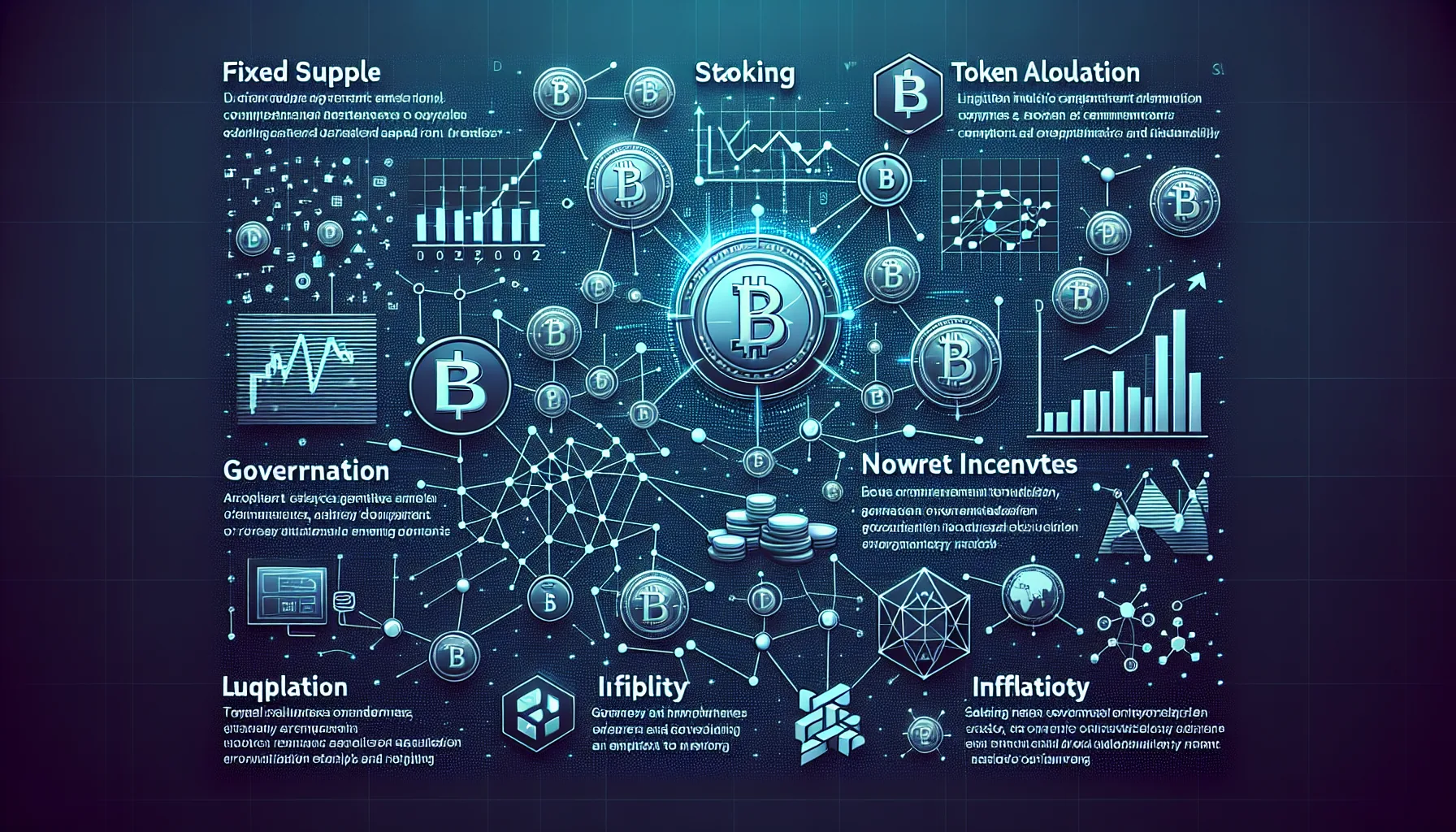
DGB2 operates on a fixed maximum supply, meaning no additional tokens will be minted beyond the predetermined cap. This scarcity model aligns with deflationary principles, potentially influencing long-term price dynamics. The emission schedule follows a predefined structure, releasing tokens at a decreasing rate over time. This structured distribution model aims to mitigate inflationary pressures but may also limit liquidity in secondary markets, particularly during periods of increased demand.
Token Allocation and Initial Distribution
A significant portion of DGB2’s total supply was allocated through an initial distribution, which included allocations for early contributors, development funds, and incentives for network participation. The breakdown typically includes set percentages for ecosystem development, staking rewards, liquidity incentives, and governance allocations. However, concerns have been raised about the concentration of initial token holdings, as a substantial percentage may be controlled by early stakeholders. This centralization risk could affect governance decisions and price stability if large holders decide to liquidate positions.
Staking and Network Incentives
DGB2 integrates staking mechanisms to incentivize long-term participation. Holders can stake their tokens within the ecosystem to secure the network and earn rewards. The staking APY dynamically adjusts based on supply and demand, reducing potential inflationary impacts. However, staking lock-up periods can restrict liquidity, making it difficult for participants to react to market movements. Additionally, staking rewards are subject to diminishing returns as more tokens enter circulation.
Governance and Utility
DGB2 includes governance functionality, allowing token holders to vote on protocol upgrades and parameter adjustments. The governance model is designed to be decentralized, but participation rates can vary, often favoring those with larger holdings. The utility of DGB2 extends beyond governance, providing transaction fee coverage, access to network services, and participation in decentralized applications (dApps) built on the protocol. However, if adoption remains limited, the utility aspects may not generate sustained demand.
Liquidity and Market Dynamics
DGB2 relies on both centralized and decentralized exchanges to maintain liquidity. Market depth and liquidity pools are critical for efficient price discovery and trade execution. Low liquidity periods may lead to higher slippage, negatively impacting traders. Additionally, external market conditions and overall trading volume play a crucial role in shaping DGB2’s market stability.
Inflation and Long-Term Sustainability
While the fixed supply model aims to counter inflationary pressures, the distribution of remaining tokens through staking and rewards mechanisms introduces ongoing token emissions. If demand does not outpace emissions, this could lead to downward price pressure. Balancing incentives while sustaining scarcity remains a fundamental challenge within DGB2’s tokenomics.
DGB2 Governance
DGB2 Governance: Decentralization, Voting, and Challenges
On-Chain Governance and Smart Contract Implementation
DGB2's governance is structured around an on-chain voting system that utilizes smart contracts to facilitate decision-making. Token holders can propose and vote on protocol upgrades, parameter adjustments, and treasury expenditures. Governance proposals are typically structured as executable smart contracts, ensuring that passed initiatives are automatically enforced without intermediary approval. However, governance smart contracts introduce potential risks, including vulnerabilities in contract execution and the possibility of governance attacks through token accumulation.
Stake-Weighted Voting and Its Implications
Governance power within the DGB2 ecosystem is determined through stake-weighted voting—more tokens equate to greater influence. While this approach incentivizes long-term investment, it also leads to centralization risks, as entities with large holdings can disproportionately impact protocol decisions. The concentration of governance tokens in a few hands raises concerns about plutocratic control, where a minority of whales can unilaterally dictate network changes. Efforts to mitigate this—including delegation mechanisms and quadratic voting experiments—have met with mixed success, as voter participation remains a persistent challenge.
Proposal Process and Governance Participation
To initiate changes within DGB2, participants must submit governance proposals that undergo several phases, typically including a discussion period, snapshot voting, and final implementation. The required quorum and minimum approval thresholds vary depending on proposal significance, but low voter engagement frequently leads to governance inertia. Even with incentives for participation, such as staking rewards for voting, turnout remains an issue, limiting the responsiveness of governance mechanisms.
Security Risks and Governance Takeovers
One of the primary concerns with DGB2 governance is the possibility of hostile takeovers through token accumulation. If an entity acquires a significant share of governance tokens, they can unilaterally push proposals that benefit their interests at the expense of the broader ecosystem. Flash loan exploits and governance token borrowing further exacerbate this risk, enabling attackers to temporarily gain voting power without long-term capital commitment. Measures such as time-locked proposals and staged governance implementations aim to counteract these threats but do not fully eliminate them.
The Role of Validators and Governance Influence
While DGB2 governance is nominally decentralized, validators play a crucial role in enforcing governance decisions at the protocol level. In networks with a validator set, these actors can introduce additional centralization dynamics, particularly if governance decisions require validator approval for execution. Validator collusion, economic incentives, and alignment issues between token holders and node operators are ongoing governance challenges that impact decentralization claims.
Technical future of DGB2
DGB2 Technical Developments and Roadmap
Upcoming Protocol Enhancements
DGB2 is expected to implement various protocol-level improvements aimed at increasing transaction throughput and security. A major focus is on refining consensus mechanisms to enhance efficiency and reduce potential attack vectors. Current development discussions highlight a move toward a hybrid validation model, blending Proof-of-Stake (PoS) components with its existing Proof-of-Work (PoW) foundation. This shift could mitigate centralization risks while maintaining network integrity. However, the transition introduces complexities, particularly regarding validator incentives and network participation rates.
Layer-2 Scaling Solutions
To address scalability challenges, DGB2's development roadmap includes integration with Layer-2 solutions. The team is evaluating off-chain transaction networks and rollup-based implementations to improve processing speed and lower transaction costs. While these developments promise higher throughput, challenges remain in ensuring compatibility between smart contracts and state channels, particularly concerning liquidity fragmentation.
Smart Contract Upgrades and Interoperability
DGB2's smart contract framework is undergoing expansion to support more complex decentralized applications. Enhancements include broader language support, optimized execution performance, and improved developer tooling. These updates aim to improve interoperability with other blockchain ecosystems via cross-chain bridges. However, security audits will be critical, as improper bridge configurations have historically been vulnerable to exploits in other networks.
Privacy and Security Refinements
Privacy-focused enhancements are under active discussion, including the potential integration of zero-knowledge proofs (ZKPs) to enable confidential transactions. The adoption of these cryptographic techniques introduces new security layers but also raises concerns regarding processing overhead and regulatory scrutiny. Balancing enhanced privacy features with compliance obligations remains a significant technical challenge for development teams.
Network Governance Adjustments
Governance mechanisms are being refined to transition toward a more decentralized decision-making process. The introduction of on-chain governance proposals could allow stakeholders and developers to directly participate in protocol updates. However, concerns about governance token centralization and voting power distribution persist, emphasizing the need for transparent and fair mechanisms to prevent governance manipulation.
Developer and Ecosystem Support
DGB2’s developer ecosystem continues to receive updates, including improved SDKs, API access, and new incentivization structures to encourage third-party development. Documentation and tooling enhancements aim to reduce barriers for new developers, though adoption rates remain a critical metric for measuring the success of these efforts.
Conclusion
Ongoing DGB2 technical developments highlight a strong focus on scalability, security, and decentralization. However, challenges related to governance, protocol transitions, and privacy innovations require careful navigation to ensure the network’s long-term viability.
Comparing DGB2 to it’s rivals
DGB2 vs. BTC: A Technical and Functional Comparison
Consensus Mechanism and Security
DGB2 and BTC both rely on proof-of-work (PoW) for network security, but they implement it differently. BTC exclusively uses the SHA-256 hashing algorithm, which has led to a mining landscape dominated by ASIC hardware. In contrast, DGB2 utilizes a multi-algorithm PoW system, distributing mining across multiple hashing functions. This is intended to increase decentralization and prevent single-algorithm dominance, though it also complicates mining participation since hardware compatibility varies across supported algorithms.
Block Time and Transaction Throughput
BTC has a block time of approximately 10 minutes, designed to balance security and decentralization. DGB2, however, drastically reduces block time, allowing for significantly faster transaction confirmations. While this improves usability for fast transactions, shorter block times can lead to increased blockchain size and potential network bloat over time, raising concerns about long-term scalability.
Network Fees and Cost Efficiency
BTC's transaction fees fluctuate depending on network congestion. High demand during peak usage periods causes fees to spike, making small transactions impractical. DGB2 offers lower fees due to its design, which accommodates faster block times and a different fee structure. However, the lower fees may also impact miner incentives over time, potentially leading to security concerns if mining participation declines.
Smart Contract Capability and Extensibility
DGB2 and BTC share a UTXO-based transaction model, but BTC has limited native smart contract functionality, relying on basic scripting. DGB2 attempts to extend its capabilities with additional scripting improvements, but it does not yet offer the same level of programmability as blockchains explicitly designed for smart contracts. This places limitations on its broader use cases beyond simple payments and transactions.
Network Adoption and Liquidity
BTC maintains the highest adoption, liquidity, and institutional support in the cryptocurrency market. It is the primary trading pair on most exchanges and is widely accepted for payments. DGB2, despite its technical improvements, does not match BTC in terms of exchange liquidity or widespread acceptance. Lower liquidity can result in increased slippage and restrict trading options for larger transactions.
Decentralization and Governance
BTC operates without a centralized authority, with development being managed by open-source contributors and governed through BIPs (Bitcoin Improvement Proposals). DGB2 similarly adheres to a decentralized development model, but the level of community involvement and contributions is smaller in comparison. This disparity influences the speed of protocol improvements and overall ecosystem development.
DGB2 vs. Litecoin (LTC): Key Differences and Competitive Landscape
Block Time and Transaction Speed
DGB2 and Litecoin (LTC) both prioritize fast transaction times, but their approach differs. Litecoin features a block time of 2.5 minutes, significantly faster than Bitcoin, making it a popular choice for everyday transactions. However, DGB2 pushes for even greater speed with a reduced block time, aiming to process transactions more efficiently. While this improves transaction throughput, it also increases blockchain size and demands on node operators.
Consensus Mechanism and Security
Litecoin employs a Proof-of-Work (PoW) model using the Scrypt hashing algorithm, which was originally designed to resist ASIC dominance, though ASICs have since emerged for Scrypt mining. This increases network security but can centralize hash power to large mining operations. DGB2's consensus model takes a different approach, integrating multiple security mechanisms to resist centralization and increase decentralization. This diversification can improve security but may also introduce complexity and require more robust coordination between network participants.
Network Adoption and Ecosystem
Litecoin has cemented itself as a widely accepted digital currency, benefiting from early adoption and its close association with Bitcoin. Its ecosystem includes a broad range of wallets, payment processors, and merchant integrations, making it a reliable and recognized asset. While DGB2 introduces various innovations, it faces the challenge of reaching Litecoin’s level of adoption. Less market penetration can lead to liquidity challenges and lower transaction volumes in real-world applications.
Scalability and Blockchain Size
Litecoin’s blockchain is considerably smaller than Bitcoin’s, which helps in maintaining node efficiency. However, as an older network, its scalability solutions evolve at a measured pace, often aligning with Bitcoin’s improvements. DGB2’s architecture prioritizes scaling from inception, which can make it more efficient in handling high transaction loads but may pose long-term sustainability concerns if blockchain growth outpaces storage and processing capacities within the network.
Smart Contracts and Development Flexibility
Litecoin primarily functions as a payments network and does not natively support advanced smart contract execution. While updates and integrations like OmniLite enable some level of tokenization and scripting, it remains limited when compared to programmable blockchain environments. DGB2, with its different structural design, incorporates more flexibility in enabling scripting and contract functionality, opening the door for broader application use cases, though at the cost of increased development complexity.
Mining Competition and Hardware Requirements
Litecoin’s mining ecosystem has largely stabilized around ASIC-based operations, reducing accessibility for small miners. While DGB2 diversifies mining mechanisms, ensuring broader participation, balancing mining incentives and network security remains a challenge. As competition among miners increases, hardware demands and cost barriers may rise, affecting decentralization efforts within both networks.
DGB2 vs. Bitcoin Cash (BCH): A Technical and Functional Comparison
Block Size and Transaction Throughput
Bitcoin Cash (BCH) was created with an emphasis on expanding block size to enable higher transaction throughput. With a block size limit significantly larger than Bitcoin's, BCH can handle a higher number of transactions per second without immediate congestion concerns. DGB2, in contrast, approaches scalability differently by focusing on a multi-shard ledger system, allowing for parallel transaction processing. While this architecture provides unique scaling opportunities, it also introduces complexity in validation and security models.
Consensus Mechanism and Security
BCH, like its predecessor, relies on proof-of-work (PoW) with SHA-256 mining, making it heavily dependent on Bitcoin’s hashrate dynamics. This reliance makes BCH susceptible to potential 51% attacks unless enough hash power secures the network. DGB2 diverges from this approach by integrating a multi-hash algorithm structure, distributing mining incentives across different hashing methods. While this design improves decentralization in mining, it also complicates miner participation due to the need for various algorithm-specific mining setups.
Smart Contract and Scripting Capabilities
BCH has made strides toward increasing its scripting functionality, enabling smart contract-like features via CashTokens and transaction introspection. However, its development ecosystem remains relatively constrained compared to more advanced smart contract platforms. DGB2, although designed primarily as a high-speed transactional blockchain, integrates unique scripting enhancements that allow for adaptable tokenization and restricted smart contract functionality. Both chains lack the robust programmability of full-fledged smart contract platforms, but DGB2’s approach to extensibility has led to varying degrees of community-driven adoption.
Fee Structures and Economic Incentives
BCH benefits from low-cost transactions, a primary goal driving its larger block size strategy. Fees remain minimal even under moderate network congestion. DGB2, optimized for speed and efficiency, maintains a competitive fee landscape but encounters challenges when balancing fee models against long-term miner incentives. A low-fee structure risks miner attrition, particularly in periods of low block subsidies, whereas BCH's mining economics are more directly aligned with Bitcoin’s established fee and subsidy model.
Network Adoption and Development Trajectory
While BCH has maintained a strong presence within merchant adoption circles, its ecosystem sees periodic fragmentation due to hard forks and governance disputes. DGB2’s network evolution emphasizes adaptive governance mechanisms, but its reliance on unique architectural choices presents challenges in broader adoption. Developer engagement, node distribution, and community-driven initiatives significantly impact how both projects sustain relevance amidst competition from emerging blockchain solutions.
Primary criticisms of DGB2
Primary Criticism of DGB2
Lack of Meaningful Differentiation
One of the most persistent criticisms levied against DGB2 is its lack of substantial differentiation in an oversaturated market. While the project claims to offer unique technical improvements, many industry analysts argue that its core features are iterations of existing blockchain technologies rather than genuine innovations. This raises concerns regarding its ability to carve out a unique value proposition in a landscape where first-mover advantage and network effects play critical roles in success.
Centralization Concerns Despite Decentralization Claims
DGB2 promotes itself as a decentralized crypto asset, but questions have been raised regarding the actual distribution of its supply and governance mechanisms. Early token allocations, developer control, and validator node concentration have led critics to question whether the asset’s decentralization claims hold up under scrutiny. If power remains in the hands of a small subset of actors, concerns arise about potential manipulation, governance inefficiencies, and systemic risk.
Adoption and Real-World Utility Challenges
Although DGB2 presents itself as a versatile crypto asset, critics point to a lack of meaningful adoption outside of speculative trading. The project has yet to secure significant partnerships or integrate into widely used platforms, raising concerns about its long-term use case beyond being a store of value or medium of exchange within niche communities. Without strong utility adoption, sustainability becomes a key issue over time.
Consensus Algorithm Efficiency vs. Security Trade-offs
The blockchain architecture of DGB2 has been scrutinized for the compromises it makes in terms of security and efficiency. While the consensus mechanism is positioned as an improvement over legacy models, some security researchers argue that these optimizations introduce new attack vectors or reduce resistance against certain types of network manipulation. Trade-offs related to speed, cost, and resilience continue to fuel debate on whether these design choices will be viable in the long run.
Smart Contract Limitations
DGB2 incorporates smart contract functionality, but relative to dominant platforms, its ecosystem remains underdeveloped. Developers have raised concerns about tool availability, documentation quality, and platform stability. Without strong developer traction or feature parity with established smart contract-focused platforms, the appeal of building on DGB2 remains limited.
Community Governance and Development Roadmap Transparency
Community members have expressed frustration over the transparency and direction of DGB2’s development roadmap. Unclear long-term strategies and lack of actionable communication from the core team have led to skepticism regarding the project’s trajectory. Without a clear and trustworthy roadmap, doubts persist about the asset’s ability to adapt and evolve.
Founders
The Founding Team Behind DGB2: Key Players and Contributions
DGB2 was founded by a group of blockchain developers and cryptography specialists who set out to build a scalable and decentralized network. While the core team remains relatively private, several key figures have been identified as instrumental in the project's early development.
Lead Developer and Protocol Architect
The lead developer of DGB2 is credited with designing its consensus mechanism and core architecture. With a background in both distributed systems and security engineering, this individual has played a pivotal role in implementing key technical features. However, some within the crypto community have raised concerns about the team's relative anonymity, which has occasionally led to speculation regarding long-term leadership stability.
Cryptography and Security Experts
DGB2's development team includes experts in cryptographic primitives and security protocols. Their primary focus has been on enhancing transaction privacy and network resilience. While their contributions have been well-received, some critics argue that the lack of public audits or third-party security reviews leaves potential risks unaddressed.
Early Contributors and Governance Involvement
Several early contributors, some of whom have been involved in prior blockchain projects, played critical roles in shaping DGB2's governance model. There have been debates regarding how decisions are made within the project, particularly around protocol upgrades and consensus changes. While the team has expressed a commitment to decentralization, a few notable decisions in the project's history have raised questions about whether power remains too concentrated.
Challenges and Team Transparency
One recurring criticism of the DGB2 founding team is the limited transparency regarding their identities and long-term commitments. Unlike other blockchain projects where founders regularly engage in public discussions, DGB2's leadership has maintained a low profile, with communication primarily coming through development updates and technical documentation. Some investors and developers have voiced concerns about this approach, citing the importance of accountability in an open-source ecosystem.
Influence on Network Development
Despite concerns, the founding team's technical expertise has largely driven DGB2's advancements in scalability and efficiency. Several core innovations in the protocol can be traced back to their initial vision. However, the level of decentralization in ongoing decision-making remains a topic of debate within the broader crypto community.
The evolving influence of the founding team, alongside governance mechanisms and community participation, continues to shape DGB2's trajectory.
Authors comments
This document was made by www.BestDapps.com
Sources
- https://dgb2.io/whitepaper.pdf
- https://dgb2.io/yellowpaper.pdf
- https://dgb2.io
- https://github.com/dgb2-project/dgb2-core
- https://medium.com/dgb2-project
- https://explorer.dgb2.io
- https://docs.dgb2.io
- https://bitcointalk.org/index.php?topic=xxxxx
- https://discord.gg/dgb2
- https://twitter.com/DGB2_Official
- https://coinmarketcap.com/currencies/dgb2
- https://coingecko.com/en/coins/dgb2
- https://defillama.com/protocol/dgb2
- https://etherscan.io/token/0xdgb2xxxxxxxxxxxxxxxxxxx
- https://bscscan.com/token/0xdgb2xxxxxxxxxxxxxxxxxxx
- https://blog.dgb2.io
- https://t.me/DGB2_Official
- https://substack.com/dgb2
- https://dappradar.com/dgb2
- https://forum.dgb2.io