History of DEXT
A Detailed History of DEXT: The Evolution of a Utility-Driven Crypto Asset
The history of DEXT, the native token of the DEXTools ecosystem, is deeply intertwined with the rise of decentralized finance (DeFi) and the growth of decentralized exchanges (DEXs). Launched to address the need for more sophisticated trading tools in the DEX space, DEXT quickly evolved from a niche cryptocurrency to a centerpiece for traders seeking decentralized analytics and insights.
DEXT’s origins trace back to the inception of the DEXTools platform, designed to provide a suite of tools that empower users to navigate the fragmented and often opaque world of decentralized exchanges. The founding team recognized a critical gap: traditional analytics platforms and tools primarily catered to centralized exchanges, leaving DEX traders reliant on limited data and manual processes. By integrating DEXT tokens into the ecosystem, the project established a token-based utility model that set it apart from other tools in the space.
The early stages of DEXT’s lifecycle were focused on fostering adoption through its innovative subscription model. Holders of a certain amount of DEXT tokens were granted access to the platform's premium features, including advanced charting tools, liquidity pool insights, and automated alerts. This model not only incentivized holding but also established DEXT as more than just a speculative asset—its value was directly tied to its utility within the platform.
However, the history of DEXT has not been without challenges. Critics have pointed to its subscription model as a potential barrier to entry for smaller traders who may be priced out of the full suite of features. Additionally, while DEXT has successfully aligned itself with Ethereum-based decentralized exchanges, its reliance on the Ethereum network has occasionally subjected it to high gas fees and network congestion—issues that have plagued the broader Ethereum ecosystem.
Regulatory uncertainty has also loomed over DEXT’s trajectory. As governments and regulators continue to scrutinize tokens with utility functions, some have questioned how DEXT, with its hybrid role as both a payment method and an access mechanism, might be categorized in the future.
Despite these hurdles, DEXT has remained integral to the DEXTools ecosystem, carving out a unique niche in the DeFi space. Its evolution mirrors the broader development of decentralized finance, reflecting both the promise and the challenges of the rapidly shifting crypto landscape.
How DEXT Works
How DEXT Works: Mechanics Behind Decentralized Excellence
The DEXT (DEXTools) token operates within the broader DEXTools ecosystem, a platform dedicated to providing advanced trading tools for decentralized exchanges (DEXs). At its core, DEXT serves as both a utility token and access mechanism, enabling holders to unlock premium features. Here’s a closer look at how it works, diving deep into its mechanics.
Utility and Governance
DEXT is primarily a utility token with various functions tied to the DEXTools app. Users need to hold or stake a predetermined amount of DEXT to access the full suite of premium analytics tools. These tools include tracking live pairs, wallet analysis, liquidity pool insights, and performance metrics. This pay-to-unlock utility model ties the token’s value directly to the platform's adoption and user activity. Notably, this creates dependency on ecosystem engagement, leaving DEXT vulnerable to fluctuating user interest. Should alternative platforms gain traction or users migrate elsewhere, token demand could diminish.
Tokenomics Structure
The tokenomics of DEXT employs deflationary mechanics to sustain the token’s value. A percentage of the subscription fees paid in DEXT tokens is burned, permanently reducing the circulating supply. While burning theoretically benefits holders by increasing scarcity, it also introduces issues of limited circulating liquidity in the long term, which could hinder trading flexibility for larger transactions. Furthermore, the reliance on token burning aligns its future more with speculative interest rather than simple utility.
Access Tiers and Staking
To access different DEXTools subscription tiers, users must hold a specific quantity of DEXT in a designated wallet or lock it through staking contracts. This system effectively incentivizes long-term holding, rewarding users while removing significant portions of liquidity from the market. However, this staking mechanism also restricts token mobility and creates barriers to entry for smaller users who might struggle to meet the minimum requirements. Such exclusivity might challenge user-base growth and participation.
Integration and Network Dependency
The functionality of DEXT hinges on its integration with decentralized exchange APIs and blockchain networks like Ethereum. Although this level of interoperability offers immense utility, it also exposes the ecosystem to risks from network congestion or API failures. High fees on the Ethereum network, for instance, can create cost-prohibitive barriers for smaller traders attempting to utilize DEXTools, undermining the token’s broader accessibility.
In summary, the inner workings of DEXT highlight its practicality for active DEX participants while underscoring challenges like liquidity constraints, exclusivity, and reliance on external networks. Its architecture is robust but not without risks that long-term users must consider.
Use Cases
Use Cases of DEXT: Empowering Traders with On-Chain Insights
DEXT (DexTools) is a utility token pivotal to the ecosystem of the popular DexTools platform, which is widely used by crypto traders for its in-depth DeFi analytics. Its primary use cases revolve around enhancing access to premium features within the platform and enabling community-driven tokenomics. Below, we’ll take a deep dive into the specific functions and practical applications of DEXT.
Unlocking Advanced Trading Tools
DEXT is central to unlocking advanced features on DexTools, including real-time data analysis, charting tools, and DeFi market insights. Users who stake or hold a specified amount of DEXT gain access to detailed analytics for decentralized exchanges (DEXs), such as Uniswap, PancakeSwap, and other networks. These features provide critical tools like liquidity pool tracking, token pair analysis, and whale wallet monitoring—key functionalities for traders searching for arbitrage opportunities or emerging trends.
However, a potential drawback lies in the dependency on the token for access. For traders who prioritize free tools, this paywall could pose a barrier, especially given free alternatives (albeit with limited functionality) are available in the DeFi space. Critics argue this ties the utility of the token exclusively to the platform, which could deter broader adoption.
Reducing Scams with DEXT Features
One widely appreciated use case of DEXT is its role in combating the proliferation of scam tokens and “rug pulls” in decentralized markets. Holding DEXT provides access to a scoring system that evaluates token credibility based on factors such as contract address history and liquidity pool data. Additionally, tools such as transaction filtering can help traders avoid malicious tactics like front-running bots.
Still, while this “anti-scam” functionality is valuable, it is far from foolproof. Scammers are continually evolving their tactics, and no algorithm can entirely predict malicious behavior. Thus, traders relying solely on DEXT without performing independent due diligence may still fall victim to fraudulent schemes.
Community Governance and Incentives
DEXT also integrates into the DexTools ecosystem via governance mechanisms. Token holders influence updates and features on the platform, allowing them to shape the trajectory of its development. Furthermore, staked DEXT is used to reward users through loyalty programs, further incentivizing long-term participation.
That said, governance-based use cases depend heavily on community engagement. If participation wanes or governance proposals cater only to whales with the largest holdings, smaller holders may feel disenfranchised or excluded from significant decisions.
Payment Mechanism for Advertising
An additional use case of DEXT comes in its role as a payment mechanism for advertising on the DexTools platform. Blockchain developers and startups often pay with DEXT for visibility within the platform’s ecosystem, leveraging targeted exposure to its sophisticated user base. While this creates demand for the token, it risks alienating purists who value unbiased analytics platforms without paid promotions.
Ultimately, the intertwined use cases of DEXT with the DexTools ecosystem make it a specialized but highly platform-dependent utility token. This deep integration ensures strong relevance within the ecosystem but limits its application beyond it.
DEXT Tokenomics
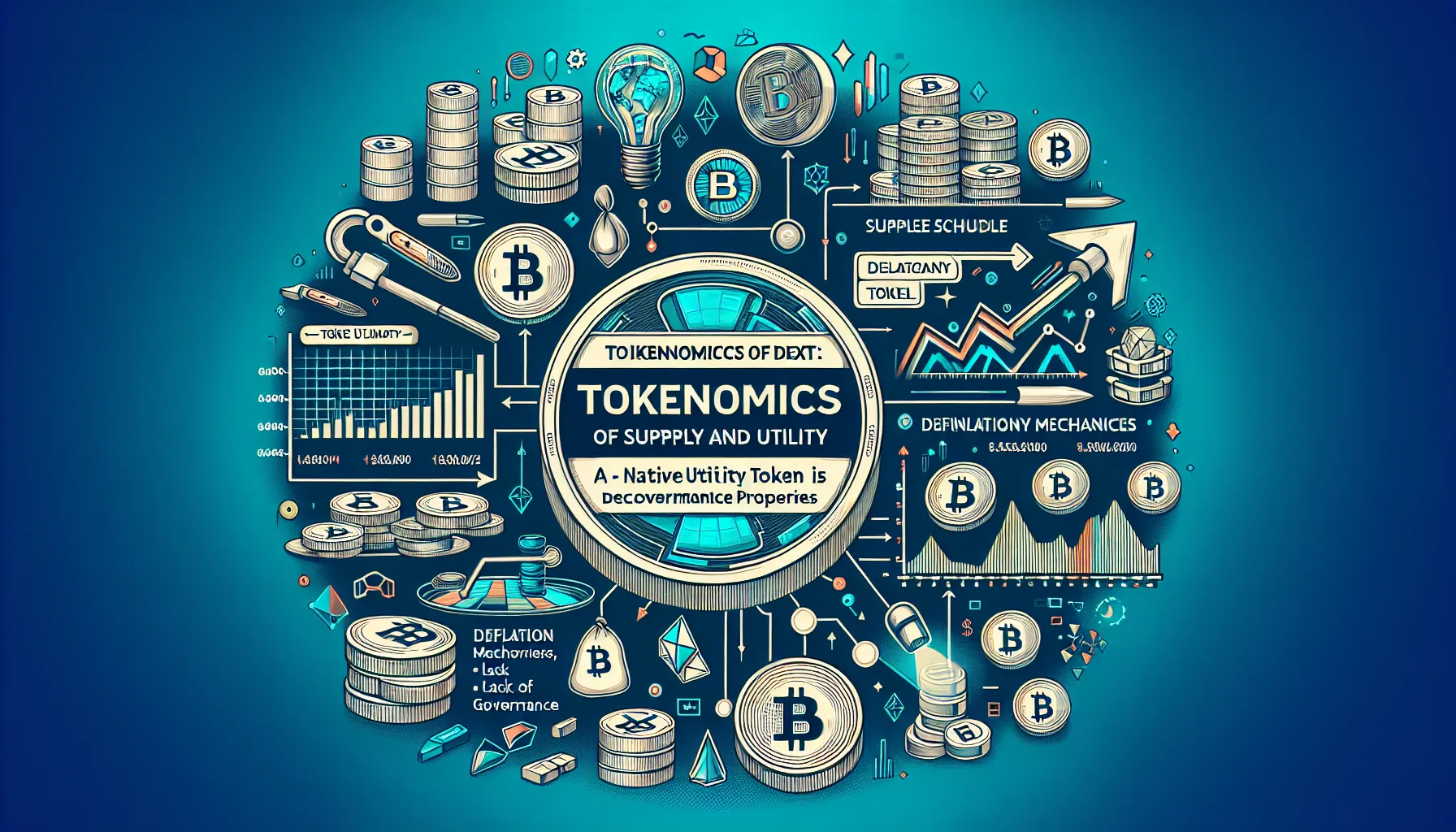
Tokenomics of DEXT: A Deep Dive into Supply and Utility
The tokenomics of DEXT (the native token of the DEXTools ecosystem) is a critical aspect for understanding its role within the decentralized analytics platform. With a focus on community-driven utility and deflationary mechanisms, its design is central to how users interact with the platform’s features and derive value from its offerings. However, like many utility tokens, DEXT faces challenges in balancing supply management, incentivization, and sustainable growth.
Fixed Supply and Distribution
DEXT has a fixed total supply, which creates scarcity by design. This fixed-cap model is intended to mitigate inflationary risks, which are often an issue for tokens with no capped emission schedules. The initial allocation of tokens included funding for platform development, community incentives, and team reserves. While this structure ensures the project’s operational demands are met, it has drawn criticism from some crypto-savvy observers for its potential to concentrate token holdings among early contributors and insiders. Without transparent mechanisms for redistributing long-held tokens or addressing centralization concerns, some community members worry this could undermine the token's decentralization ethos.
Utility within the Ecosystem
DEXT is predominantly a utility token. Token holders use DEXT to unlock premium features within the DEXTools platform, such as real-time data feeds, trading pair analytics, and wallet tracking tools. Access to premium functionality typically requires staking or holding a certain number of tokens. This setup creates direct demand for the token and ties its value to platform adoption and user engagement. However, one notable limitation is that this model heavily depends on continuous growth in user activity. A significant drop in platform utilization could impact DEXT’s demand dynamics, raising questions about its long-term sustainability.
Deflationary Mechanisms and Token Burn
One striking aspect of DEXT’s tokenomics is its deflationary strategy. A portion of the fees collected from premium subscriptions and certain transactions are regularly used to buy back and burn DEXT tokens. This reduces the circulating supply over time, creating a deflationary pressure meant to enhance token scarcity and, consequently, its value. While conceptually appealing, the burn mechanism is not without critique. Critics argue that reliance on token burns for value appreciation introduces speculative behavior among holders, potentially overshadowing the token's utility-based design. Moreover, if buyback volumes are insufficient due to declining platform revenues, the effectiveness of the burn mechanism diminishes substantially.
Governance Properties and Limitations
Unlike some other utility tokens, DEXT does not have intrinsic governance features. Token holders cannot directly vote on protocol upgrades, treasury allocations, or strategic decisions. While this simplifies operational efficiency for the development team, it limits the token’s appeal to those who prioritize on-chain governance. This lack of governance functionality could be seen as a missed opportunity to engage the community in the project's future evolution.
By understanding the intricacies of DEXT’s tokenomics, users and analysts can better assess its role within the decentralized finance space as well as the potential challenges it faces as an evolving crypto asset.
DEXT Governance
Governance in DEXT: Decentralized Oversight or Centralized Limitations?
DEXT, the utility token for the DEXTools ecosystem, plays a pivotal role in governance within the platform. However, the governance model has sparked both interest and criticism from crypto-savvy participants, especially those who value truly decentralized decision-making processes.
Token-Weighted Governance Dynamics
Holders of DEXT tokens are granted the ability to influence certain aspects of the ecosystem’s development and feature prioritization. This governance structure utilizes a traditional token-weighted voting model common across DeFi platforms, where the weight of a participant’s vote is directly proportional to their token holdings. While this ensures those with a greater financial stake in the platform have a louder voice, it also raises concerns about centralization and the potential for plutocratic decision-making. Large holders—or whales—might disproportionately shape governance outcomes, sidelining smaller stakeholders with valuable insights but less financial capital.
Scope of Governance Rights
Although DEXT token holders can participate in governance, the scope of their influence is not as broad as some other decentralized platforms. Governance proposals tied to critical system functionalities—such as tokenomics adjustments, major protocol upgrades, or integrations with external platforms—often need tokens to reach specified thresholds before a vote is triggered. Critics argue that such thresholds can limit community-driven innovation and leave key decisions under significant control of a concentrated group of contributors or insiders.
Moreover, while the voting process is operationally efficient, there is minimal transparency communicated to the community regarding how proposals are prioritized or finalized by the development team. This level of opaqueness can lead to skepticism about whether voting mechanisms genuinely reflect democratic ideals or are largely ceremonial to maintain user engagement.
Governance Challenges in Decentralization
A recurring criticism of DEXT’s governance is its relatively closed-loop structure, where proposals and discussions appear dominated by a small subset of token holders and developers. This could potentially hinder wider community participation and alienate active ecosystem users who lack sufficient tokens to influence governance processes meaningfully. For a token ostensibly tied to a decentralized ecosystem, reliance on centralized decision-making bodies—or even perceptions of centralized influence—could detract from its broader appeal to DeFi maximalists.
Security and Governance Safeguards
While DEXT governance does feature multisig wallets and token-locked mechanisms to avoid hasty or malicious proposals, these safeguards come with their own challenges. For instance, the reliance on multisig often consolidates approval power among a limited number of individuals or entities, opening the door for potential collusion or governance stagnation if signatories disagree or become inactive.
Lastly, DEXT’s governance is reliant on the assumption that token holders are consistently incentivized to vote in the ecosystem’s best interest. However, balancing short-term incentives, such as speculative gains, with longer-term sustainability remains a persistent issue across governance models—and DEXT is no exception. This is particularly relevant during periods of market volatility, where users’ priorities might skew toward maximizing immediate returns rather than voting with the platform’s foundational goals in mind.
Technical future of DEXT
DEXT: Current and Future Technical Developments and Roadmap
The technical foundation of DEXT (DeFi Explorer Token) is intricately tied to its role as a utility token within the Dextools ecosystem, which facilitates advanced analytics and tracking tools for decentralized exchanges (DEXs). The platform has aimed to consistently evolve its offerings, with significant technical updates and roadmap milestones shaping its growth trajectory.
Current Technical Features
DEXT is supported by a multi-chain architecture that enables compatibility across major blockchain ecosystems, notably Ethereum, BNB Smart Chain, and Polygon. This cross-chain support allows users to interact with Dextools' analytics regardless of their preferred DEX or chain, which is critical in the fragmented nature of DeFi.
A standout technical feature is the advanced liquidity pool (LP) tracking system. This provides users with real-time data on LP performance, token flow, and whale wallet tracking—targeting experienced traders who rely on actionable data for decision-making. Additionally, the integration of AI-assisted trading insights has enhanced precision in identifying high-potential tokens and strategies, utilizing historical blockchain data for pattern recognition.
DEXT's infrastructure emphasizes scalability through its APIs, which are used by third-party developers to integrate essential trading tools into other platforms. While robust, some users have raised concerns about API rate limits, particularly during periods of high market volatility. Scalability enhancements remain a topic of ongoing discussion in the community.
Anticipated Technical Developments
Multi-Network Expansion
The Dextools team has signaled plans to expand compatibility to emerging networks such as Aptos and Arbitrum. This development is aimed at addressing the growing user bases on newer Layer 2 and Layer 1 blockchains, further cementing DEXT's multi-network adaptability.
Enhanced Layer 2 transaction support is also under development, which could reduce latency and gas fees for analytics queries, particularly for Ethereum users. While promising, the integration of Layer 2 technology has not been without hurdles, as synchronization between Layer 2 and the main Ethereum chain can introduce occasional inconsistencies in data reporting.
Smart Contract Upgrades
The platform plans to launch upgraded smart contracts that focus on decentralization and security. These contracts will improve staking mechanisms for holders of the token, alongside potential fee reductions for premium memberships. However, the frequent gas adjustments required by certain staking protocols have frustrated users in the past, indicating this remains an operational pain point.
AI-Powered Analytics Expansion
Future updates include the introduction of machine learning models for predictive analytics, which would provide users with advanced forecasting of market trends. This addition is particularly relevant for yield farmers and algorithmic traders but raises concerns about the potential centralization of decision-making tools, given the opaque nature of some proprietary AI models. Transparency in model training and validation will be key to ensuring user trust.
DEXT’s roadmap is highly ambitious, but implementation speed and maintaining data accuracy remain challenges. Key milestones around multi-network support and AI-driving tools are highly anticipated, although users remain watchful of potential delays and technical complexities that could emerge during execution.
Comparing DEXT to it’s rivals
DEXT vs COVAL: A Detailed Head-to-Head Comparison
When comparing DEXT (DEXTools) and COVAL (Circuits of Value), both projects cater to specific niches within the cryptocurrency ecosystem but have distinct differences in utility, adoption, and target audience. Here’s how DEXT stacks up against COVAL in terms of features, use cases, and challenges:
Core Functionality: Data Aggregation vs. Asset Transfer
DEXT excels as a tool for aggregating and analyzing decentralized exchange (DEX) data. Its focus is providing traders with actionable insights, such as liquidity metrics, token-specific charts, and top-performing pairs. DEXT fills the critical gap in decentralized trading infrastructure by offering functionalities that are often exclusive to centralized exchanges.
COVAL, on the other hand, provides utility through Emblem Vaults, which enable users to bundle and transfer multiple blockchain assets across networks under a single, tradable token. Unlike DEXT’s granular focus on enhancing trading efficiency and decision-making, COVAL is positioned for asset portability and cross-chain interaction. The difference in core functionality means that their target demographics often differ, with DEXT appealing more to analytics-driven traders and COVAL appealing to cross-chain asset managers and NFT strategists.
Market Adoption and Utility
DEXTools boasts strong adoption among decentralized finance (DeFi) participants due to its integration with various Ethereum Layer 2 solutions and support for a growing list of decentralized exchanges. Its real-time analytics and proprietary features, such as the "DEXT Score" for token credibility, enhance user confidence in low-liquidity, high-risk markets.
COVAL’s adoption largely hinges on the versatility of its Emblem Vault technology. However, while this tech is innovative, its real-world traction has been slower, which could hinder broader recognition. The abstraction of token bundles is not as intuitive to less-experienced crypto users, creating an adoption gap compared to the straightforward functionality of DEXT.
Tokenomics and Critiques
DEXT primarily gains utility within its ecosystem for premium features, creating a clear use case for holding tokens. This utility-driven approach aligns with its trader-focused vision. Nevertheless, critics note that token demand is heavily reliant on sustained user base growth and platform relevance, raising concerns over scalability without continuous product innovation.
COVAL’s tokenomics revolve around vault deployment and trade execution, making it more niche. One often-cited issue is its limited ecosystem dependence, as the COVAL token functions primarily within the context of Emblem Vaults. This concentrated use case has exposed the token to questions of over-specificity, unlike DEXT, which benefits directly from supporting broader DeFi trends.
User Experience Challenges
While DEXT offers a clean interface and multiple accessibility tiers, the premium features locked behind token staking may alienate casual users. For highly active traders, the tool remains paramount, but for newcomers, the steep staking model could be seen as a blocker.
COVAL faces challenges in terms of user experience as well. The complexity of understanding and utilizing Emblem Vaults demands a higher learning curve compared to DEXT's intuitive dashboard. Additionally, the relative obscurity of bundled asset transfers limits everyday use, a problem DEXT avoids by targeting frequently-needed trading data.
DEXT vs KIRO: A Detailed Comparison of Features and Use Cases
When comparing DEXT (DexTools) to KIRO (Kirobo), the most significant differentiators lie in their core functionalities and the niches they aim to serve within the decentralized finance (DeFi) ecosystem. While both projects address critical needs, they take fundamentally different approaches, each with its own set of advantages and limitations.
Core Functionality
DEXT concentrates on providing robust trading analytics and tools for decentralized exchanges (DEXs). It aims to be the go-to platform for traders looking to make data-driven decisions, with features like real-time token charts, transaction tracking, and wallet analytics.
KIRO, on the other hand, focuses on transaction safety and accessibility. The primary innovation of Kirobo is its "Undo Button" for blockchain transactions, which leverages a secure mechanism to allow users to reverse erroneous transfers. KIRO’s focus is on trustless solutions, eliminating the need for intermediaries while mitigating errors—a problem that plagues the broader crypto space.
For crypto-savvy users, this difference defines the use case: DEXT supports precision and strategy for token trading, while KIRO minimizes risks tied to human error in sending crypto transactions. Both functionalities are valuable, but they cater to very different audiences within DeFi.
Utility and Ecosystem Integration
While DEXT integrates directly with trading platforms and taps into the needs of active DEX traders, its utility is largely confined to those actively buying, selling, or tracking tokens. This is where KIRO distinctly stands apart. Its technology is designed for all cryptocurrency users—not just traders—offering transaction safeguards that appeal more broadly to holders, businesses, and high-volume participants.
However, a point of contention lies in adoption. Projects like KIRO face hurdles in convincing users to trust their transaction protocols and fully integrate them into existing workflows. DEXT, benefiting from a trader-heavy ecosystem, often faces fewer barriers to entry since these tools are seen as critical for profit-maximization.
Limitations and Criticism
Though KIRO’s vision of error mitigation is compelling, its reliance on proprietary mechanisms raises questions about centralization and potential vulnerabilities. While touted as "trustless," some critics argue that users must still trust Kirobo's systems to function as promised. By contrast, DEXT operates in a more openly auditable framework, leveraging publicly verifiable on-chain data to provide analytics.
For DEXT, criticism is often directed at being too trader-specific, leaving many potential DeFi users feeling underserved. Its features primarily cater to day traders and short-term market participants, whereas KIRO aims for universal utility.
When viewed strictly through their adoption landscapes, DEXT and KIRO represent two sides of the same DeFi coin—specialized tools versus broader blockchain usability solutions. Both serve distinct communities, but neither has achieved universal adoption across the crypto market.
DEXT vs OriginTrail (TRAC): How the Two Compare
Decentralized exchanges (DEX) are the centerpiece of DEXT, designed to provide traders with powerful tools like analytics, liquidity tracking, and portfolio management. However, when directly compared to OriginTrail (TRAC), the contrast lies in the core focus: where DEXT leans heavily into the trading infrastructure space, TRAC is engineered to serve decentralized supply chain data management and verification. This divergence impacts how both projects are used, perceived, and valued by their respective audiences.
Core Functionality: Divergent Utilities
TRAC’s technical infrastructure is built around the decentralized knowledge graph (DKG), which enables compatibility between supply chain systems, IoT devices, and data storage protocols. This makes TRAC appealing to enterprises looking for seamless integration of disparate data streams. DEXT, on the other hand, is strictly geared toward the DeFi ecosystem, prioritizing traders seeking aggregated insights on decentralized liquidity pools, price tracking, and wallet monitoring. The tradeoff here is clear: DEXT’s specialized niche makes it less applicable outside of DeFi, whereas TRAC’s use case is more cross-industry but not trader-focused.
Token Utility: Network Dynamics
TRAC tokens are used to incentivize data node operators and power interoperability within the knowledge graph. DEXT tokens offer utility in accessing premium analytics tools within its ecosystem. Critically, TRAC’s reliance on enterprise adoption for network activity places it at risk of external dependency—its value is tied closely to onboarding large-scale industry participants. Conversely, DEXT maintains an internal feedback loop with individual DeFi traders, leveraging direct demand that doesn’t hinge as much on non-crypto entities.
Decentralization Levels and Network Health
When comparing the structure of nodes and validation, TRAC operates with high demands for decentralized file storage and immutable data verification, which can slow scalability in times of congestion. DEXT, built solely for the DeFi trader, has avoided such complexities. However, this simplicity comes at a cost—a narrower scope and reliance on DeFi's health mean DEXT’s growth is tied to market-specific factors, while TRAC aims for a wider purview, albeit with heavier technical lift and infrastructure costs.
Challenges Facing TRAC
One notable drawback with TRAC lies in adoption hurdles. Convincing large enterprises to migrate to blockchain-based solutions requires overcoming legacy system inertia, significant integration investments, and regulatory concerns. While DEXT sidesteps the enterprise world, TRAC must continually navigate this slow-moving adoption cycle.
In summary, DEXT and TRAC occupy distinct spaces in the blockchain ecosystem but exhibit key contrasts in target audience, scalability, and dependence on external participants.
Primary criticisms of DEXT
Primary Criticism of DEXT: Challenges and Limitations
DEXTools (DEXT) has gained substantial traction among decentralized exchange (DEX) traders, but it isn't without its share of criticisms. Despite its utility-focused ecosystem and extensive integration with DEX platforms, several issues have been raised that could deter adoption or limit its efficacy.
Token Utility and Value Proposition
One notable concern revolves around the DEXT token's actual utility. While its primary use case is tied to accessing premium features within the DEXTools ecosystem (such as advanced charting, wallet tracking, and exclusive data), critics argue that the reliance on token gating to drive demand can overemphasize speculative trading. For users primarily interested in DEX analytics, such a requirement may feel restrictive—especially if free alternatives with adequate functionality exist. This creates an ongoing debate about whether the token’s utility genuinely justifies its role or if its main driver is tied to speculative value rather than intrinsic utility.
Accessibilty of Services
The DEXT ecosystem primarily caters to power users and active crypto traders. While this focus aligns with the needs of DeFi enthusiasts, it inadvertently alienates newer or more casual traders who may find navigating the platform overly complex. Additionally, critics point out that DEXTools’ most valuable features often require paid subscriptions or staking DEXT tokens, which acts as a financial barrier to entry. This paywall could create further disparities in an ecosystem already striving for decentralization and inclusivity.
Platform Centralization Concerns
Another ongoing critique centers around the perceived centralization of certain operations within the DEXTools framework. Though DEXes emphasize decentralization, the DEXTools ecosystem relies on its core team for tokenomics control, development updates, and broader ecosystem governance. Critics argue that this level of central oversight clashes with the decentralized ethos of the DeFi movement. Such dynamics could lead to potential points of failure, as any sudden team changes, malicious activity, or regulatory interference might significantly impact the token and platform.
Reluctance on Layer 2 Integration
While more DeFi projects are exploring Layer 2 solutions to alleviate scalability concerns, DEXTools has faced criticism for its slower adoption of cross-chain compatibility and Layer 2 features. Users looking for seamless compatibility across multiple chains or a reduced-cost environment occasionally see DEXTools as lagging behind competing platforms. This hesitancy limits the platform’s appeal in an ecosystem rapidly moving toward multichain solutions. Boutique traders operating on low-volume or emerging blockchains also find it challenging to leverage DEXTools' full suite.
Conclusion of This Critique Section
These criticisms do not negate the platform's value but instead highlight areas where DEXT could face hurdles in maintaining its competitive edge across a growing DeFi landscape.
Founders
The Founding Team Behind DEXT: Key Details and Insights
The origins of DEXT (DEXTools) are deeply tied to its founding team, whose vision and technological focus have been pivotal in building and expanding the platform’s ecosystem. DEXT's core utility lies in providing a powerful analytics and trading tool for decentralized exchanges, which positions the team as engineers and strategists solving usability challenges in DeFi. However, like most projects in the crypto space, their vision, execution, and transparency have been analyzed critically by the community.
Founders' Identity and Backgrounds
The founding team of DEXT remains semi-anonymous—a notable trend in crypto, but one that raises both operational and trust-related questions among the broader community. While key contributors are known to possess extensive experience in blockchain development, data analytics, and smart contract engineering, full details about their prior projects or professional history are relatively opaque. This lack of full transparency has occasionally been cited as a drawback, particularly by those concerned with governance or due diligence. Despite this, the team has earned credibility within developer circles due to consistent delivery of upgrades and a user-centric approach.
Focused Expertise in Analytics and User-Centered Development
What has set the DEXT founding team apart is their laser focus on bridging the informational gaps in decentralized trading. The platform they created tackles complexities in liquidity metrics, trading volume, pool analysis, and wallet tracking—areas where technical rigor is essential. The detailed analytical tools provided point to a strong competency in both blockchain tech and intuitive interface design. This dual focus enhances usability for traders navigating decentralized ecosystems, but as the platform grows, scalability and tool sophistication remain critical points of evaluation for crypto-enthusiasts.
Challenges in Transparency and Community Trust
Despite the platform’s technical acclaim, one recurring critique surrounding the founding team is their relatively low-profile engagement with the crypto community outside of platform announcements. While their technical achievements speak for themselves, the team's decision to maintain a semi-anonymous or low-publicity profile has sometimes fueled skepticism around the long-term governance framework and token management policies. This issue underscores a broader consideration: trust in leadership remains an important factor for any crypto-centric platform to sustain momentum and attract new stakeholders.
The founding team's decision to emphasize product-building over visibility aligns with a developer-led ethos common in DeFi but also highlights the inherent trade-offs between heightened security/anonymity and the desire for full transparency.
Authors comments
This document was made by www.BestDapps.com
Sources
https://www.dextools.io/
https://github.com/dextools
https://docs.dextools.io/
https://coinmarketcap.com/currencies/dextools/
https://etherscan.io/token/0x26ce25148832c04f3d7f26f32478a9fe55197166
https://www.coingecko.com/en/coins/dextools
https://medium.com/dextools
https://twitter.com/dextools
https://www.linkedin.com/company/dextools/
https://support.dextools.io/
https://treasury.dextools.io/
https://staking.dextools.io/
https://dextboard.com/
https://crypto.com/price/dextools
https://bscscan.com/token/0xab111d5948470cabb7b74019cea9...
https://academy.binance.com/en/glossary/dextools
https://rekt.news/dextools-analysis/
https://defiyield.app/audit/dextools
https://nftcalendar.io/dextools/
https://www.blockchain-council.org/dex-tools-introduction/


