History of CEL
History of CEL: The Evolution of Celsius Network’s Native Token
CEL, the native ERC-20 token of Celsius Network, was first introduced as part of the platform’s initial funding efforts. The token’s development was closely tied to the Celsius Network’s vision of offering decentralized finance (DeFi) services, including crypto lending, borrowing, and rewards-based yield generation.
The CEL token launch was structured through an Initial Coin Offering (ICO), attracting early supporters with promises of reduced borrowing rates, loyalty rewards, and enhanced yields for users who held and utilized CEL within the ecosystem. The ICO successfully raised funds, but like many token sales during the era, concerns about regulatory scrutiny and investor protections began to emerge as the project scaled.
Over time, CEL became a central component of the Celsius Network’s platform, used for in-app rewards and fee reductions. The company encouraged its community to adopt CEL for better interest rates on deposited assets and lower borrowing fees when used as collateral. However, this utility model also resulted in a dependence on sustained demand for CEL, a factor that later contributed to concerns about the token's economic sustainability.
As the Celsius Network expanded its DeFi lending offerings, CEL saw rapid adoption but also encountered challenges. The token economics were deeply interconnected with how Celsius rewarded users, leading to debates about the sustainability of the business model. Some critics compared aspects of the system to a flywheel mechanism that required consistent inflows to maintain operations.
Regulatory pressures also became a significant aspect of CEL’s history. As authorities worldwide increased scrutiny on centralized finance (CeFi) platforms, questions arose regarding the classification of CEL as a security. Legal and compliance concerns periodically affected the token, leading to debates about whether its role within the Celsius ecosystem needed adjustments to align with evolving regulatory landscapes.
The CEL token also saw significant volatility due to shifts in the broader crypto market and the financial stability of Celsius Network itself. Questions surrounding transparency, liquidity, and the platform’s ability to meet obligations played a key role in shaping CEL’s trajectory.
Over time, the CEL token’s history has been marked by growth, controversy, and regulatory considerations, all of which have influenced its role within the Celsius ecosystem and the broader crypto industry.
How CEL Works
How CEL Works: Utility, Tokenomics, and Mechanisms
CEL Token Utility and Functions
CEL is the native token within the Celsius ecosystem, designed primarily to facilitate platform rewards, fee reductions, and loyalty incentives. Holders of CEL can receive benefits such as higher rewards on deposited assets, reduced borrowing rates, and priority access to specific platform features. The token also plays a role in governance, though its influence depends on the implementation of voting mechanisms within the Celsius framework.
A core function of CEL is its use in yield generation. Users who opt to earn rewards in CEL instead of other assets can receive higher returns. This incentivization model is structured around Celsius's internal revenue generation mechanics, where yield from institutional lending or other revenue streams is distributed to users, with CEL acting as a medium of distribution.
Smart Contract and Network Considerations
CEL operates as an ERC-20 token on the Ethereum blockchain, inheriting Ethereum’s security and reliability. However, this also means it is subject to Ethereum's transaction fees and network congestion. While this allows for broad compatibility with DeFi applications, high gas fees can make transactions inefficient, especially for small-value transfers.
The token’s contract does not have native features for decentralized staking or governance outside platforms that choose to integrate it independently, limiting its decentralized utility.
Tokenomics and Circulation Mechanics
CEL has a capped supply, meaning no new tokens can be minted beyond the predetermined issuance. A portion of CEL tokens has been locked, distributed, or allocated for various purposes, including ecosystem incentives and treasury reserves.
Celsius previously implemented token buybacks, purchasing CEL from the open market to fulfill certain reward payouts. While this reduced circulating supply and could theoretically create upward price pressure, it also created centralization concerns since buyback decisions were controlled by the Celsius team.
Another mechanism influencing CEL’s economy is how users could previously opt to pay loan interest in CEL, sometimes at a discounted rate. This created an internal demand loop but also meant that if demand for CEL-based payments decreased, the utility-driven buying pressure diminished.
Risks and Limitations
CEL’s dependency on Celsius as its primary ecosystem creates a centralization risk. If Celsius restricts or discontinues CEL-related benefits, token utility could decline sharply. Additionally, since CEL rewards are tied to the platform’s revenue model, any disruptions to Celsius’s business operations can directly impact token sustainability.
Being an ERC-20 asset, CEL’s liquidity depends on exchange listings and external market participants. Any delistings or liquidity declines could result in challenges for users attempting to buy or sell the token efficiently.
Use Cases
CEL Token Use Cases
1. Loyalty and Rewards Mechanism
CEL is primarily used within the Celsius ecosystem to incentivize user engagement. Token holders receive benefits such as higher yield rates on deposited crypto assets and reduced interest rates on crypto-backed loans. The extent of these perks is tied to the percentage of CEL held relative to a user’s total portfolio in the platform. While this staking-like utility provides an incentive for users to hold CEL, it also creates a dependency on platform adoption. If demand for Celsius services fluctuates, the utility and desirability of CEL can be affected.
2. Fee Reduction for Loans
A key use case of CEL is lowering borrowing costs. Users who choose to pay loan interest in CEL instead of other crypto assets receive discounts. This utility creates actual transactional demand for CEL, but its effectiveness depends on platform loan adoption. If users prefer to pay in other assets due to volatility or liquidity concerns, this feature may see diminished usage.
3. Internal Payment System
CEL functions as a native transaction medium within the Celsius network, allowing users to settle interest payments, transfer funds within the platform, and interact with the loyalty structure. However, its limited external adoption means its use remains confined to Celsius services. Users relying on CEL as a primary transactional asset may face liquidity challenges when attempting to convert it outside the Celsius ecosystem, especially during periods of reduced exchange support.
4. Community Governance Limitations
Unlike other crypto assets with governance functions, CEL does not provide token holders with direct voting rights over protocol changes or treasury management. This restricts user influence on key decisions, making its utility primarily transactional rather than governance-centric. For users looking for governance participation, this is a notable limitation.
5. Liquidity Constraints and Market Dependency
CEL's use cases are tightly linked to the Celsius platform, which creates both opportunities and risks. While the token has clear functional benefits for platform participants, its utility outside of this environment remains restricted. Dependence on Celsius adoption means that any shifts in regulatory status, platform trust, or user activity can directly impact CEL’s effectiveness. Additionally, the availability of CEL trading pairs and liquidity on external exchanges influences its usability, particularly for users looking to exit or enter positions efficiently.
6. Staking-Like Benefits Without True Staking
While CEL provides tiered user benefits similar to staking, it does not function as a traditional staking token that secures a proof-of-stake network. This distinction is important for investors evaluating its utility relative to other yield-generating assets in the crypto space. Without a direct role in network security, CEL’s yield functions rely primarily on Celsius business mechanics rather than blockchain consensus mechanisms.
CEL Tokenomics
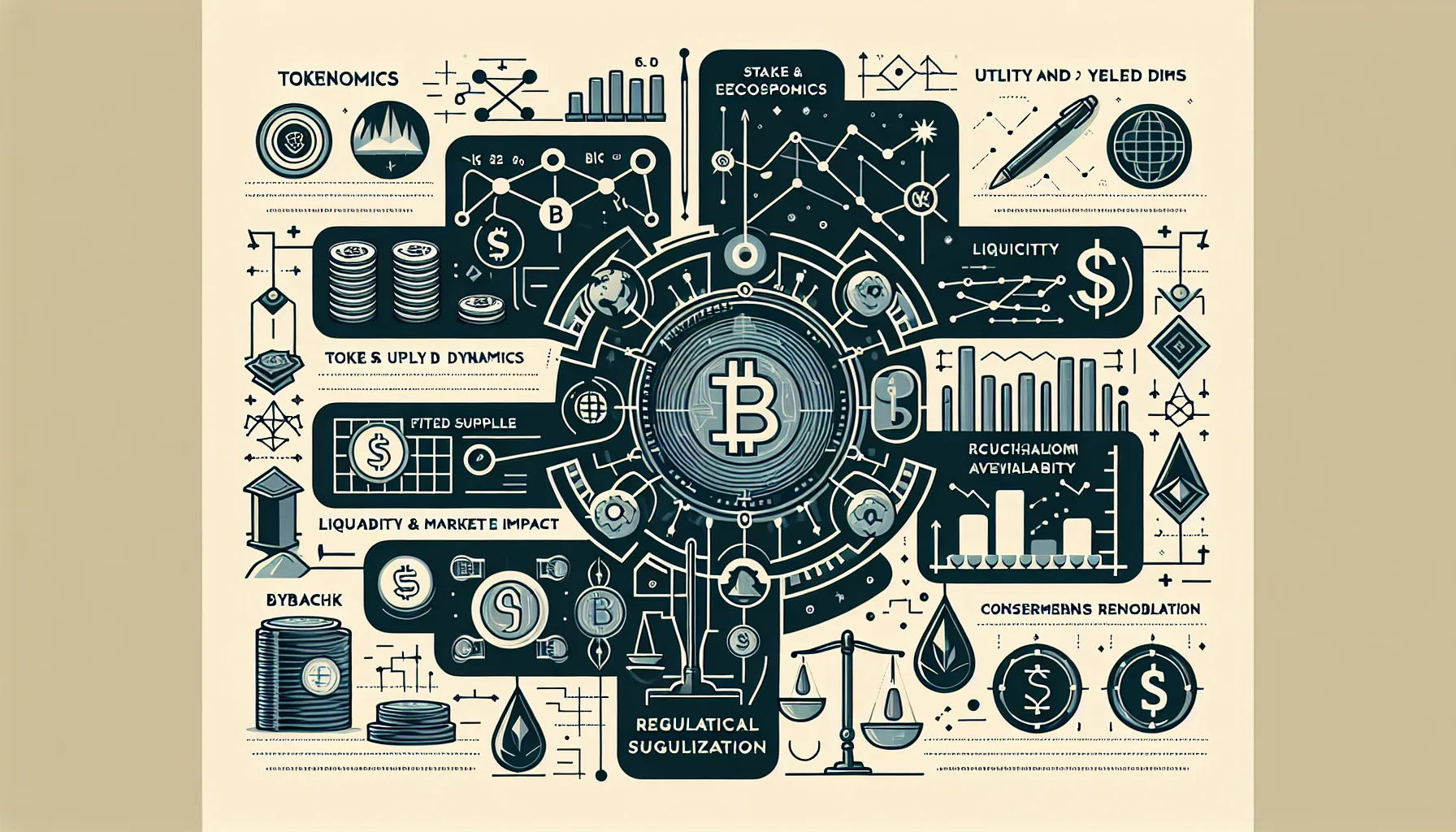
CEL Tokenomics: Supply, Utility, and Distribution
Fixed Supply and Token Allocation
CEL has a fixed maximum supply, designed to limit inflationary pressure. A large portion of tokens was allocated to early investors and the Celsius team, raising concerns about centralization. Token distribution has historically favored insiders, meaning a significant amount of CEL is held by non-retail participants, potentially impacting market dynamics.
Staking and Yield Mechanics
Holders have historically been incentivized to stake CEL through reward mechanisms that offer yield. However, the actual sustainability of these incentives has been questioned, especially during periods of liquidity constraints. The reliance on token-based rewards introduced an element of reflexivity—where token price fluctuations directly impacted perceived value and earning potential.
Utility in the Ecosystem
CEL was designed to function as a utility token, primarily offering benefits such as reduced loan interest rates and higher yield payouts within the ecosystem. However, the dependency on token incentives created a scenario where demand was heavily tied to the platform’s growth and user participation. If platform engagement declines, so too does utility-driven demand for CEL.
Buyback Mechanisms and Market Impact
The platform implemented buybacks as a method to reduce circulating supply and support token value. The effectiveness of these buybacks depended on revenue generation and treasury management, both of which have faced scrutiny. If buybacks are suspended or insufficient, excess token supply can exert significant downward pressure on price.
Liquidity and Exchange Availability
CEL’s liquidity profile has been constrained compared to other similarly capitalized tokens. Exchange availability has been limited, reducing access for traders and investors. This low liquidity environment has led to significant price volatility and susceptibility to market manipulation, particularly by large holders controlling supply on lower-volume trading pairs.
Controversies and Regulatory Scrutiny
CEL’s classification as a utility token versus a security has been debated, leading to regulatory uncertainty. Given the reliance on staking incentives and buybacks, some regulators and industry observers have questioned whether CEL shares characteristics of a security. This uncertainty has, at times, influenced token liquidity and investor confidence.
Centralization Concerns
A notable portion of CEL’s supply has historically been held by team members and affiliated entities. This level of concentration places decision-making power in the hands of a few stakeholders, raising concerns about potential market manipulation and governance centralization. Additionally, wallet activity has been examined closely, as large transactions by key holders can impact market perception and price movements.
CEL Governance
CEL Token Governance: Structure, Mechanisms, and Limitations
Governance Controls and Decision-Making
CEL token governance lacks a formalized, on-chain governance structure. Unlike DAOs that enable token-holder voting on protocol changes, CEL’s influence mechanisms primarily exist off-chain, with centralized decision-making historically playing a dominant role. Governance-related discussions around CEL have mostly occurred within community forums, social media channels, and among entity leadership, rather than through smart contract-enforced voting systems.
Token Holder Influence vs. Centralized Authority
CEL holders have faced challenges in asserting meaningful governance influence beyond staking-related utility. While some governance-related discourse has taken place within the community, ultimate decision-making power has remained in the hands of centralized entities controlling platform operations. Without formalized governance proposals or binding voting procedures, CEL holders have had limited direct impact on protocol decisions, token economics adjustments, or platform rule modifications.
Smart Contract and Protocol Governance
CEL does not feature smart contract-enforced governance mechanisms that allow token holders to dictate protocol upgrades or treasury allocations. Governance control has historically been exercised through off-chain corporate decision-making rather than through decentralized governance structures. This centralization presents both advantages and risks, including concerns over lack of decentralized accountability, unilateral decision-making, and potential misalignment between leadership actions and community interests.
Governance Uncertainties and Decentralization Challenges
Over time, governance-related uncertainties have emerged, particularly regarding whether CEL’s governance framework will evolve toward a more decentralized model. Factors such as regulatory challenges, central entity control, and limited on-chain governance infrastructure contribute to uncertainty around whether CEL governance will ever transition toward a DAO-like structure. For token holders expecting decentralized decision-making, these governance limitations represent a key structural drawback.
Lack of Formal Voting Mechanisms
The absence of a formal governance mechanism means CEL holders do not have structured avenues for proposing or voting on network upgrades, policy shifts, or financial decisions. This differs significantly from governance tokens of other crypto networks that implement on-chain voting, treasury allocation mechanisms, and protocol improvement proposals. Without these governance tools, CEL’s decision-making structure remains dependent on off-chain actors rather than distributed consensus.
Community Efforts Toward Governance Evolution
Some CEL holders have advocated for greater decentralization and transparency in governance matters. While discussions surrounding governance reform have occurred, concrete steps toward implementing decentralized decision-making remain unclear. The lack of smart-contract-based governance infrastructure continues to be a central challenge for any community-driven governance evolution.
Technical future of CEL
CEL Token: Technical Developments and Roadmap
Smart Contract and Utility Enhancements
The CEL token operates primarily on Ethereum as an ERC-20 token, with additional integrations across other blockchain ecosystems. Developments continue to focus on smart contract optimizations to improve gas efficiency, security, and interoperability. Upgrades aim to minimize reliance on custodial mechanisms while enhancing DeFi compatibility. However, smart contract audits and transparency remain a point of concern, particularly given the historical reliance on centralized infrastructure.
Layer 2 and Multi-Chain Expansion
Efforts to expand CEL’s functionality on Layer 2 solutions and alternative blockchains have been explored to mitigate Ethereum’s high transaction costs. While bridging mechanisms exist, fragmentation across multiple chains introduces liquidity and security challenges. The absence of a clearly defined cross-chain strategy raises uncertainty about the token’s long-term technical positioning in a multi-chain environment.
Staking and Rewards Mechanics
CEL’s staking and rewards model has undergone modifications to align with regulatory and technical constraints. Certain staking features have faced adjustments, which has impacted the incentive structure. Questions remain about the long-term sustainability of these reward mechanisms, especially as compliance considerations evolve.
Decentralization and Governance Limitations
While there have been discussions about implementing more decentralized governance mechanics, control over CEL’s ecosystem remains highly centralized. Proposed governance models have yet to materialize in a meaningful way, and decision-making authority continues to be concentrated within a small group of stakeholders. This centralization raises concerns about the token’s adaptability to decentralized financial applications and trustless environments.
Technical Hurdles and Scalability Concerns
The CEL token’s integration within broader financial ecosystems is limited by technological and infrastructural constraints. Issues such as liquidity fragmentation, reliance on custodial services, and unclear Layer 2 adoption strategies present obstacles to wider adoption. Without a well-defined roadmap for scalability improvements, the token faces challenges in maintaining relevance in rapidly evolving blockchain ecosystems.
Security and Smart Contract Risks
Security remains a key concern, particularly given the history of vulnerabilities in various blockchain ecosystems. While CEL’s smart contracts have undergone audits, potential attack vectors related to bridges, liquidity pools, and staking mechanisms still pose risks. Addressing these vulnerabilities will be critical for any future development roadmap.
Future Development Uncertainty
Despite ongoing technical discussions, a concrete and transparent technical roadmap remains unclear. Uncertainty around broader ecosystem developments, regulatory impacts, and evolving blockchain standards make it difficult to assess the long-term technical trajectory of CEL. Without clear commitments to decentralization, scalability, and security enhancements, questions persist about the token’s future technical viability.
Comparing CEL to it’s rivals
CEL vs. NEXO: A Detailed Comparison
Lending and Borrowing Features
CEL and NEXO both position themselves as crypto lending platforms, but they differ significantly in implementation. CEL operates within the Celsius ecosystem, emphasizing rewards for users who stake CEL tokens, offering reduced interest rates on loans and increased APY on deposits. NEXO, on the other hand, does not require native token staking for basic benefits but enhances user perks through the NEXO Loyalty Program, which relies on NEXO token holdings.
While CEL users benefit from tiered rewards, the system has been criticized for its reliance on CEL tokenomics, which has fluctuated in sustainability. NEXO’s model, being more structured around real-time asset backing, offers more predictable interest adjustments.
Interest Yields and Rewards
CEL traditionally offers competitive yields on deposits, especially for those who opt to receive interest in CEL tokens. However, the dependency on CEL’s value means market downturns can impact real returns. NEXO provides stable yields without forcing users into its native token, though additional rewards are available for those who opt in.
A key differentiator is NEXO’s daily interest payouts, which provide immediate liquidity compared to Celsius’ approach, where payouts in CEL occur at predefined intervals. This affects compounding strategies for those actively managing yields.
Security and Custody Risks
Celsius and NEXO both operate custodial models, meaning users must trust the platform with their funds. NEXO emphasizes regulatory compliance, holding multiple licenses across jurisdictions, which provides legal reassurance. Celsius historically faced scrutiny over transparency, particularly regarding fund management and liquidity during crises.
A significant factor in platform trust has been audits and proof-of-reserve mechanisms. NEXO has implemented real-time attestations of assets, strengthening user confidence. Celsius has faced concerns in the past regarding transparency, which has impacted its reputation among institutional and retail investors.
Liquidation Policies and Collateral Management
Both platforms offer crypto-backed loans, but their margin call and liquidation structures differ. NEXO integrates an automatic collateral adjustment system to help users avoid liquidation when possible. Celsius, by contrast, requires manual intervention in some cases, which can lead to liquidations in volatile markets.
Loan-to-value (LTV) ratios also vary. While both platforms offer competitive LTVs, NEXO’s model allows for better capital efficiency by dynamically adjusting collateral requirements, something Celsius strategies do not match in real-time responsiveness.
Token Utility and Ecosystem
CEL is deeply embedded in its platform’s functionality, offering incentives to users who hold and use the token within the Celsius ecosystem. NEXO’s token follows a similar path but incorporates governance voting mechanisms and dividend payouts from platform profits, which CEL does not provide.
Moreover, while CEL is restricted in its use outside the Celsius platform, NEXO’s token has seen broader integration in DeFi and CeFi applications, providing additional utility beyond just lending and borrowing.
CEL vs. AAVE: Key Differences in Lending and Token Utility
Lending Model and Liquidity Approach
CEL and AAVE both operate in the crypto lending space, but their approaches to liquidity and loan issuance differ significantly. AAVE is a decentralized, algorithmic money market where users can lend and borrow assets without intermediaries. Interest rates fluctuate dynamically based on supply and demand using a liquidity pool model. In contrast, CEL is tied to the Celsius Network’s CeFi structure, where lending terms and yield rates are determined by a centralized entity rather than an open market. This results in less transparency compared to AAVE’s fully decentralized pool system, where smart contracts autonomously manage transactions.
Token Utility: CEL vs. AAVE
The core utility of CEL revolves around loyalty benefits, increased yields on deposits, and fee reductions within the Celsius ecosystem. CEL holders receive tiered reward benefits, but its use cases are limited outside the Celsius platform. On the other hand, AAVE is deeply integrated into governance, allowing AAVE holders to participate in protocol decisions, such as borrowing parameters, risk management, and new feature implementations. AAVE can also be staked for additional rewards, reinforcing its utility within the ecosystem.
Custodial Risks and Decentralization
One of the biggest contrasts between CEL and AAVE is custody and user control over assets. CEL operates within a custodial framework where user funds are under the control of Celsius Network, exposing users to risks associated with centralized custody, including potential withdrawal restrictions or third-party management failures. AAVE operates purely as a decentralized protocol where funds are controlled through smart contracts, reducing counterparty risk but introducing smart contract vulnerabilities. The trade-off between custodial security and smart contract risk is a major factor when comparing the two platforms.
Liquidation Mechanisms
Liquidations in the two ecosystems also function differently. In AAVE, liquidations occur algorithmically based on collateralization ratios, ensuring transparency through on-chain execution. CEL, in contrast, handles liquidations internally, with less insight into exact liquidation thresholds and processes. This can create uncertainty regarding loan security for borrowers, while AAVE utilizes an automated system to liquidate loans when they fall below safe collateral levels.
Interest Rate Flexibility
AAVE provides users with both stable and variable interest rate options, allowing borrowers to manage risk exposure based on market conditions. CEL’s interest structure is determined by the Celsius Network, creating potential inconsistencies depending on company policy rather than an open-market algorithm. This centralized model means users have less control over borrowing conditions compared to AAVE’s decentralized system, where market-driven rate calculations provide predictability and flexibility.
CEL vs. TIA: A Comparative Analysis
Utility and Ecosystem Differences
CEL and TIA serve different purposes within their respective ecosystems. CEL is primarily integrated into a lending and borrowing platform, providing benefits such as reduced interest rates and rewards-based incentives. TIA, on the other hand, plays a crucial role in the Cosmos ecosystem, specifically within the Celestia network, which emphasizes modular blockchain architecture. This fundamental difference means that while CEL focuses more on financial services and user incentives, TIA is designed to facilitate decentralized data availability and scalability solutions.
Staking and Yield Mechanics
CEL was designed to reward users within its lending ecosystem, offering benefits such as higher yields on deposited assets and lower borrowing rates when using CEL as collateral. However, the token’s utility has faced operational and regulatory scrutiny, leading to uncertainty about its long-term staking benefits.
TIA, by contrast, is deeply embedded in Celestia’s proof-of-stake (PoS) framework, where staking directly contributes to network security. Token holders can delegate TIA to validators to earn rewards, aligning incentives with network stability. In this regard, TIA has a clear role in network participation, whereas CEL’s reward mechanisms are more dependent on platform-specific incentives and internal policies.
Decentralization and Governance
Governance is another key differentiator. CEL was initially positioned to grant governance power within its lending ecosystem, but token holder influence has been limited in practice. Decision-making remained largely centralized before the platform experienced structural challenges.
TIA, in contrast, is more integrated into the decentralized ethos of the Cosmos ecosystem. It enables governance participation via staking, allowing TIA holders to vote on proposals that impact network decisions. This decentralized model aligns TIA more with blockchain infrastructure projects rather than a platform-specific financial token like CEL.
Liquidity and Integration Challenges
Both tokens have faced liquidity concerns, though for different reasons. CEL has experienced fluctuations in exchange listings and liquidity pools, largely due to operational setbacks and regulatory scrutiny. TIA, being newer, is still in the process of establishing deep liquidity across major trading venues. However, its Cosmos-native design provides built-in interoperability advantages, making it more accessible within the interchain ecosystem compared to CEL’s more isolated use case.
Smart Contract Utilization
CEL is not natively designed for smart contract applications beyond its lending utility, limiting its role in decentralized finance (DeFi) integrations. TIA, tied to modular blockchain advancements, has a more technical function, allowing developers to build on its network with flexible execution layers. This distinction highlights how CEL’s primary value remains tied to financial incentives, whereas TIA is positioned within a broader blockchain development landscape.
Primary criticisms of CEL
Primary Criticism of CEL
Centralization Concerns
One of the most prominent criticisms of CEL is the degree of centralization in both its tokenomics and governance. Unlike many decentralized crypto assets, CEL has been heavily controlled by a single entity, leading to concerns over its ability to function as a truly open and trustless system. The majority of CEL supply has historically been held or managed by insiders, raising questions about market manipulation and the fairness of distribution.
Liquidity and Exchange Limitations
CEL has faced liquidity challenges, stemming from its limited presence on major exchanges. Many centralized exchanges have restricted CEL trading, making access difficult for users who prefer platforms with deep liquidity and regulatory compliance. The token's dependence on specific markets has resulted in concerns regarding price stability and accessibility, with traders struggling to execute large orders without significant slippage.
Utility vs. Speculation
A recurring issue with CEL is its long-debated utility. While promoted as central to a rewards and loyalty system, critics argue that much of its demand has been primarily speculative. The token's use case has been questioned due to reliance on incentives rather than organic demand generated by fundamental utility. This has led to concerns over sustainability, particularly during market downturns when speculative demand weakens.
Transparency and Trust Issues
Transparency concerns have plagued CEL due to past inconsistencies in communication and decision-making by entities associated with the token. Issues such as unclear token distribution, shifting policies, and unexpected changes to reward structures have contributed to diminished confidence among users and token holders. The lack of a clear, trustless process for decision-making has further exacerbated doubts regarding the project's long-term viability.
Regulatory Uncertainty
CEL has also been criticized for its potential legal and regulatory risks. Questions about whether the token qualifies as a security, how it has been marketed, and the way it interacts with financial regulations have led to scrutiny. Regulatory pressure remains a persistent issue, with concerns that authorities could impose restrictions or penalties that impact CEL's usability and adoption.
Token Control and Potential Manipulation
Historically, CEL's price and supply dynamics have been subject to concerns over artificial control. With a significant portion of tokens held by insiders, the possibility of supply manipulation has been raised numerous times. Events such as large token movements, buybacks, or sudden liquidity issues have further fueled criticism that CEL does not operate in a truly open and decentralized manner.
Founders
Celsius (CEL) Founding Team: Key Figures and Controversies
The CEL token is intrinsically linked to the founding team behind Celsius Network, a platform that aimed to disrupt traditional finance with crypto lending and yield-generating services. The core members played a significant role in shaping the project’s vision, but their actions and decisions have also been points of contention within the crypto community.
Alex Mashinsky: The High-Profile Founder
Alex Mashinsky, the most recognizable figure behind Celsius, co-founded the platform with a background in tech entrepreneurship. He previously worked on Voice over Internet Protocol (VoIP) technology and had experience in telecommunications and venture funding. His ability to market and promote Celsius was instrumental in expanding the platform’s user base. However, his aggressive promotion of Celsius as a safer alternative to traditional banking drew increasing scrutiny.
Mashinsky’s leadership style was polarizing. While supporters praised his innovation and willingness to engage with the community, critics pointed to overpromises regarding yield sustainability and platform stability. His public statements about Celsius’ financial strength did not always align with later developments, fueling debates about transparency and risk exposure.
Daniel Leon: Co-Founder and Operational Lead
Daniel Leon, another co-founder, played a significant role in shaping Celsius from an operational perspective. He brought experience in startup development, focusing on business strategy and network growth. Throughout his tenure, Leon emphasized Celsius’ mission to provide financial freedom through decentralized finance principles.
However, questions have surrounded internal management decisions made by the founding team. Decisions regarding asset deployment, yield generation mechanisms, and risk management led to concerns, particularly during periods of market stress.
Nuke Goldstein: The Technical Architect
As a co-founder with a focus on technology, Nuke Goldstein oversaw key infrastructure components of the Celsius Network. He brought experience in blockchain development, ensuring the platform’s core functionalities worked effectively. His involvement in designing the backend systems contributed to Celsius’ ability to offer lending and borrowing services efficiently.
Despite technical advancements, the transparency of Celsius’ financial engineering came under scrutiny. The handling of customer deposits and risk management structures raised concerns among crypto analysts and regulators.
Questions Around Leadership and Decision-Making
The founding team shaped Celsius into a major player in crypto lending, but critical decisions led to debates about risk exposure and operational security. Community sentiment around the leadership fluctuated as concerns over fund management and solvency mounted. The team’s approach to communication, especially regarding financial health, remains a focal point for those analyzing CEL’s history.
Authors comments
This document was made by www.BestDapps.com
Sources
- https://celsius.network
- https://celsiusnetwork.medium.com
- https://etherscan.io/token/0xaaaebe6fe48e54f431b0c390cfaf0b017d09d42d
- https://coinmarketcap.com/currencies/celsius/
- https://www.coingecko.com/en/coins/celsius-network
- https://docs.celsius.network
- https://support.celsius.network/hc/en-us
- https://celpay.celsius.network
- https://www.sec.gov/Archives/edgar/data/1790586/000121390022006344/ea155406ex99-2_celsius.htm
- https://bankruptcy.celsius.network
- https://restructuring.ra.kroll.com/celsius
- https://www.investordocs.celsius.network
- https://twitter.com/CelsiusNetwork
- https://www.linkedin.com/company/celsius-network-limited
- https://www.reddit.com/r/CelsiusNetwork
- https://t.me/CelsiusNetwork
- https://github.com/CelsiusNetwork
- https://defillama.com/protocol/celsius-network
- https://www.notion.so/Celsius-Network-Community-Hub-7e9b5fa709ad4e1396f42e6483cae0e1
- https://www.bloomberg.com/news/articles/2023-02-15/inside-the-collapse-of-celsius-network