History of BLK
The History of BLK: Origins, Development, and Key Milestones
BLK, or BlackCoin, emerged during the early wave of proof-of-stake (PoS) cryptocurrencies, positioning itself as a pioneer in the shift away from energy-intensive proof-of-work (PoW) mining. Initially launched through a PoW phase for fair distribution, it quickly transitioned into a fully PoS-driven model, setting it apart from Bitcoin and other PoW-based digital assets.
The launch of BLK was met with interest from early adopters looking for alternatives to Bitcoin’s energy consumption concerns. Unlike hybrid systems that combine PoW and PoS, BLK was among the first to fully embrace a PoS mechanism, eliminating mining in favor of a staking-based consensus system. This innovation placed it ahead of many competitors exploring similar models.
As its ecosystem grew, BLK gained traction within crypto communities interested in sustainability and staking rewards. However, challenges emerged, including competition from newer PoS blockchains with more advanced staking mechanics and governance models. While BLK pioneered the space, it experienced difficulty maintaining the same level of innovation seen in newer projects offering more flexible staking structures and enhanced security mechanisms.
Throughout its history, BLK has undergone multiple protocol updates aimed at improving transaction speed, security, and staking efficiency. Its development community, though smaller compared to major PoS networks, has worked to maintain the project’s integrity despite fluctuations in interest and adoption. The open-source nature of BLK has encouraged independent contributions, but its development trajectory has not always been as active or well-funded as some of its competitors.
BLK’s staking model has faced scrutiny over the years, with concerns about network security and the long-term viability of its economic incentives. As other PoS-based cryptocurrencies introduced more sophisticated staking mechanisms, BLK had to rely on its early mover advantage and dedicated user base. While it has remained functional and active, its market position has seen shifts due to evolving PoS innovations.
The history of BLK reflects both the promise and challenges of early PoS adoption. It demonstrated the feasibility of a purely staking-based system but also encountered difficulties in sustaining long-term growth against newer PoS blockchains with more robust ecosystems.
How BLK Works
How BLK Works: Consensus, Transactions, and Network Mechanics
BLK operates on a distributed blockchain framework designed for secure and efficient peer-to-peer transactions. It relies on a proof-of-stake (PoS) consensus mechanism, which eliminates the need for energy-intensive mining while allowing token holders to participate in securing the network. Validators are selected based on the amount of BLK they stake, with rewards distributed proportionally to their holdings. This design incentivizes long-term participation but can also lead to centralization if a small number of wallets control a significant share of the supply.
Staking and Network Security
Since BLK uses PoS, network security is directly tied to token distribution. The staking process locks up tokens, making them temporarily unavailable for trading, which can reduce circulating supply and impact liquidity. Validator nodes must remain constantly online to validate transactions and secure the blockchain. However, this reliance on network participants introduces risks such as potential downtime, slashing penalties, or centralization if a few high-stake validators dominate block production.
Transaction Processing and Block Rewards
Transactions on BLK’s blockchain are confirmed through validator approval, with fees structured to incentivize participation. The network prioritizes transactions based on fee levels, which can lead to congestion during peak usage periods. Unlike proof-of-work chains, BLK's block creation speed is largely dictated by validator efficiency rather than computational power. While this improves scalability and reduces energy costs, it also means that performance is directly tied to the number and reliability of active staking participants.
Governance and Protocol Upgrades
BLK incorporates an on-chain governance model, allowing token holders to vote on protocol changes and upgrades. While this democratic approach gives stakeholders influence over network direction, voter turnout can be low, often leaving decisions in the hands of a few dominant participants. Additionally, governance mechanisms must balance transparency with security, as vulnerabilities in smart contract voting systems could expose governance to attack vectors.
Network Dependence and Limitations
A crucial factor in how BLK functions is its dependency on validator participation and staking distribution. If too few participants engage in staking, network decentralization can suffer, potentially leading to security concerns or governance inefficiencies. Furthermore, any shifts in staking reward structures or protocol parameters can directly affect validator incentives, which may lead to fluctuations in network activity or transaction finality times.
BLK's reliance on PoS provides energy efficiency and scalability benefits, but it comes with risks related to centralization, governance efficiency, and validator participation stability.
Use Cases
BLK Crypto Asset Use Cases
Privacy-Focused Transactions
BLK is designed to facilitate private and untraceable transactions. By leveraging cryptographic techniques, it ensures that sender and receiver details, as well as transaction amounts, remain obfuscated. This makes it a preferred option for users who prioritize financial privacy. However, due to its privacy-centric architecture, BLK faces regulatory challenges in jurisdictions with strict anti-money laundering (AML) laws.
Decentralized Governance and Staking
Holders of BLK may participate in its governance mechanisms, influencing protocol upgrades and network decisions. Additionally, staking allows users to contribute to network security while earning rewards. Despite these advantages, low participation in governance can lead to centralized decision-making by a small group of stakeholders. Staking yields also fluctuate, affecting incentives for long-term holders.
Smart Contract Functionality
Some implementations of BLK support smart contract features, enabling decentralized applications (dApps) and automated transactions. This expands its utility beyond simple peer-to-peer payments. However, limited compatibility with major smart contract ecosystems can restrict interoperability, making adoption more difficult for developers seeking seamless integration with other blockchain networks.
Digital Store of Value
BLK is often used as a digital asset for wealth preservation, independent of traditional financial systems. Its blockchain architecture ensures secure, untampered record-keeping, which some users view as a hedge against fiat-based inflation. One challenge, however, is the asset’s liquidity. Depending on exchange support and trading volume, converting BLK into other assets may not always be efficient.
Cross-Border Payments
Due to its decentralized nature, BLK can facilitate international transfers without reliance on banks or centralized financial intermediaries. This allows for lower fees and faster settlement times compared to traditional remittance services. However, merchant adoption remains relatively low, limiting real-world payment use cases. Adoption hurdles, such as integrations with payment gateways, also impact its usability for mainstream commerce.
Network Security Incentives
Some implementations of BLK utilize unique consensus mechanisms that encourage participants to maintain network integrity. These incentives attract validators and miners, ensuring a robust and attack-resistant chain. That said, smaller networks may be more susceptible to 51% attacks if security participation is insufficient, making network protection an ongoing concern.
Integration with Privacy-Focused Services
BLK is sometimes integrated with applications and platforms designed for secure financial interactions, including privacy-focused wallets and decentralized exchanges. While this enhances its ecosystem, ongoing regulatory scrutiny of privacy-centric assets could impact accessibility and compliance in multiple regions.
BLK Tokenomics
BLK Tokenomics: Supply, Emission, and Distribution Dynamics
Fixed Supply and Inflation Considerations
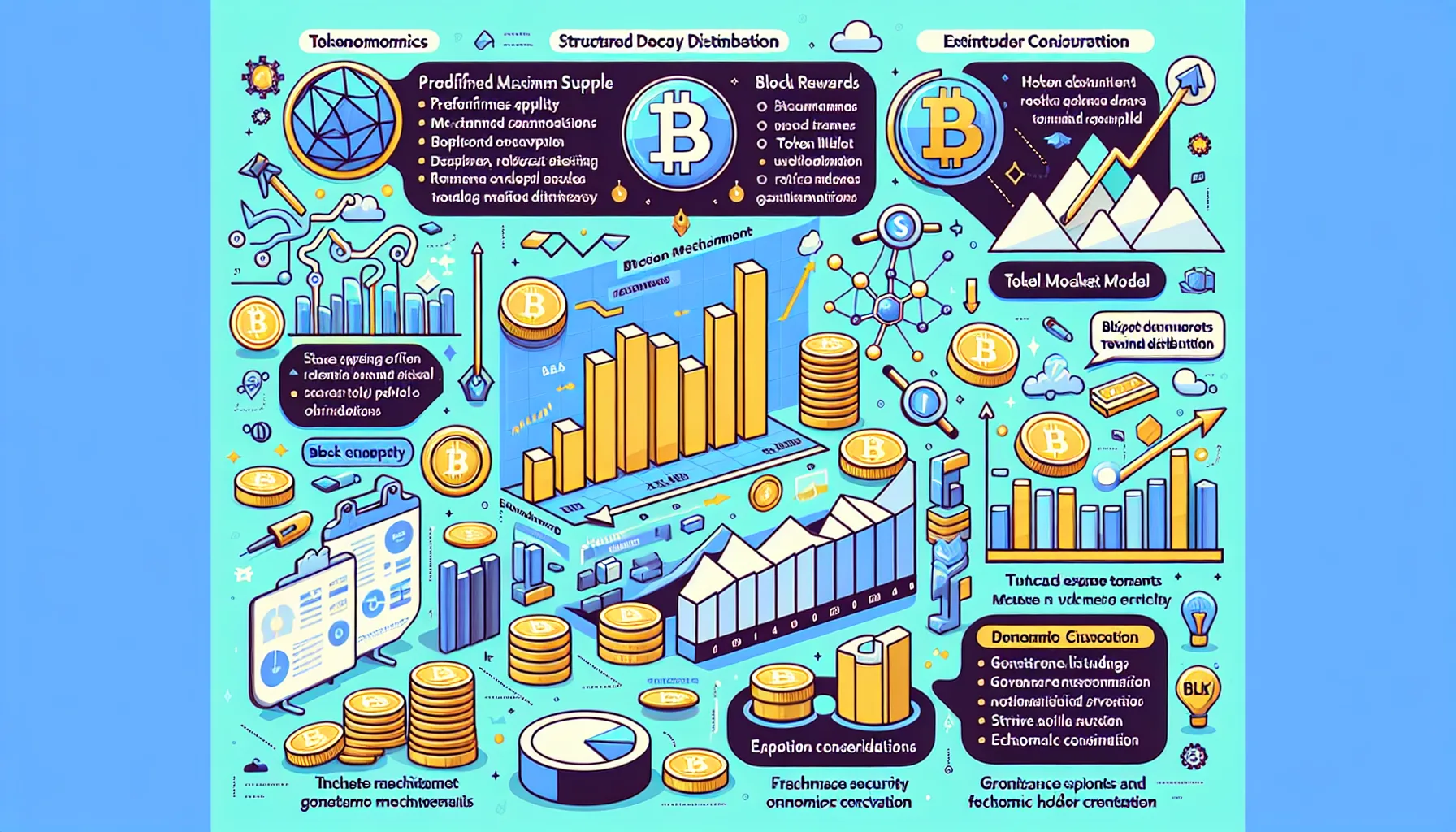
BLK operates with a predefined maximum supply, ensuring scarcity as a fundamental principle. The initial token distribution allocated a portion to early stakeholders, miners, and the ecosystem treasury, with the circulating supply increasing through block rewards. The emission schedule follows a structured decay model, reducing inflationary pressure over time. However, this fixed cap also introduces challenges in long-term network security funding once block rewards diminish.
Consensus Mechanism and Reward Distribution
BLK utilizes a consensus model where rewards are allocated between different network participants. The reward structure balances incentives between validators (or miners) and those contributing to the network’s security and functionality. However, as issuance decreases, reliance on transaction fees for sustaining network operation becomes critical. If adoption stagnates, low fee volumes could impact validator participation.
Token Utility and Demand Drivers
The core utility of BLK extends beyond basic transactions, with staking, governance participation, and network services requiring token usage. Governance mechanisms often require token locking, reducing active supply temporarily. Transaction fee structures are designed to incentivize efficient network usage, but congestion or fee volatility can create usability concerns. Additionally, if staking yields diminish over time due to lower issuance, long-term holding incentives may weaken.
Liquidity and Market Considerations
BLK’s liquidity is influenced by its exchange listings, on-chain financial instruments, and token holder concentration. A significant portion of the supply may be held by early adopters or institutional participants, potentially leading to sharp market movements if large allocations are sold or moved. Additionally, if liquidity is concentrated in a few trading pairs or platforms, price stability and accessibility could be affected, particularly during periods of high volatility.
Governance and Token Holder Influence
Governance participation is often tied to token ownership, allowing large stakeholders to influence network decisions. While this enables decentralized decision-making, it can also centralize voting power among early investors or well-capitalized entities. Low voter turnout in governance proposals might also lead to a small subset of holders shaping critical protocol upgrades or economic policies.
Potential Supply Shocks and Economic Risks
Factors such as token unlocking schedules, protocol upgrades, or unforeseen exploits could introduce sudden changes in circulating supply. If a significant number of tokens are vested simultaneously into the market, it could impact short-term valuation and liquidity stability. Furthermore, smart contract vulnerabilities or governance attacks could disrupt BLK’s economic assumptions, underscoring the importance of continuous auditing and security improvements.
BLK Governance
BLK Governance: Structure, Voting Mechanisms, and Challenges
On-Chain vs. Off-Chain Governance
BLK utilizes a governance structure that blends both on-chain and off-chain mechanisms. While on-chain governance allows proposals to be executed transparently via smart contracts, critical discussions and preliminary decision-making still take place off-chain through forums and governance calls. This hybrid model provides flexibility but also introduces coordination challenges, as there is no enforced requirement to align off-chain sentiment with on-chain execution.
Token-Weighted Voting and Centralization Concerns
BLK governance relies on a token-weighted voting system where voting power is proportional to the number of BLK tokens held or staked. While this approach ensures that those with the highest financial stake have the strongest influence, it can lead to centralization. Large token holders—whether early investors, whales, or governance delegates—can significantly impact outcomes with minimal opposition if voter participation remains low. This dynamic raises concerns about governance capture, where a small group can steer protocol decisions in their favor.
Proposal Process and Execution
Governance proposals typically go through several structured phases: an initial discussion in governance forums, a formal proposal submission, a voting period, and, if approved, on-chain execution. However, one of the challenges with BLK’s governance system is voter apathy. A large portion of token holders do not participate in governance votes, either due to lack of incentives or due to complex voting processes requiring manual interaction with smart contracts. To mitigate this, some governance participants have proposed delegation models to encourage more efficient decision-making.
Smart Contracts and Governance Risks
Like other decentralized protocols, BLK’s governance smart contracts introduce certain risks. If governance contracts are upgradable via voting mechanisms, there is always a risk of malicious proposals passing if voters are not vigilant or if governance mechanisms have exploitable flaws. Additionally, governance proposals that modify core protocol parameters can inadvertently introduce vulnerabilities if security audits are not rigorously enforced.
The Impact of Governance on Protocol Development
BLK’s development trajectory is directly shaped by governance proposals, meaning that critical upgrades, changes to fee structures, and incentive realignments all require governance approval. This can be a double-edged sword—while it ensures decentralization, it can also slow down decision-making compared to projects with more centralized leadership. Major upgrades sometimes face delays due to lack of clear consensus among stakeholders.
Future Governance Challenges
As BLK continues to evolve, governance scalability and voter engagement remain key challenges. Ensuring sufficient participation, preventing governance manipulation, and streamlining the proposal process are ongoing concerns that will influence the long-term sustainability of BLK’s decentralized decision-making framework.
Technical future of BLK
BLK's Current and Future Technical Developments: A Deep Dive
Core Protocol Enhancements
BLK's development roadmap includes multiple protocol-level improvements aimed at increasing scalability, security, and decentralization. Current efforts include refining consensus mechanisms to reduce blockchain bloat and improve node efficiency. Developers are exploring optimizations to data propagation to minimize orphan blocks while maintaining security.
One ongoing area of concern is the efficiency of BLK's transaction processing. Despite updates to optimize network throughput, issues related to transaction finality under high load conditions remain under active discussion in development forums.
Smart Contract and Layer-2 Integrations
BLK's technical direction is expanding towards smart contract functionality, though its integration remains a debated topic due to potential trade-offs in network speed and security. Developer discussions indicate that layer-2 solutions could provide scalability without directly modifying the base layer. Potential implementations include rollups or state channels, though firm development commitments haven't been solidified.
A key challenge lies in ensuring compatibility between existing wallet infrastructure and potential layer-2 scaling solutions. Fragmentation within BLK's ecosystem has historically slowed adoption of new technical standards, making seamless migration efforts critical for future upgrades.
Privacy and Security Innovations
Security enhancements are an ongoing focus, with assessments of cryptographic updates to improve network resilience against emerging threats. Developers have proposed modifications to key management and multi-signature protocols to enhance security for institutional and retail users alike.
Privacy upgrades have been part of community discussions, but full-scale implementation remains uncertain, given potential regulatory implications. If enacted, such additions could introduce optional privacy layers rather than enforcing them by default.
Network Decentralization and Governance Improvements
BLK’s governance framework is gradually evolving, with initiatives aimed at increasing on-chain voting participation and reducing reliance on centralized entities for protocol updates. Current discussions center on improving governance transparency and streamlining proposal mechanisms to encourage broader community involvement.
Decentralization efforts also extend to node participation. While recent optimizations lowered resource requirements for running a full node, a persistent challenge remains in maintaining a sufficiently distributed network in the face of increasing computational demands.
Technical Challenges and Roadblocks
While BLK continues advancing technically, hurdles remain. Compatibility issues with third-party services, patchy documentation, and fragmented development efforts have slowed certain roadmap items. The network’s scaling efforts also face stiff competition from more advanced blockchain architectures, raising questions about long-term viability without aggressive innovation.
Developer engagement levels fluctuate, with some proposed enhancements waiting on clearer implementation paths. The risk of partial adoption of improvements across the ecosystem could introduce inconsistencies that complicate future upgrades.
Comparing BLK to it’s rivals
BLK vs. GLD: Comparing Utility and Market Position
Asset Backing and Stability
BLK and GLD represent two vastly different approaches to value storage. GLD is directly tied to physical gold reserves, providing a historically recognized hedge against inflation and financial instability. Its value is derived from the underlying metal, ensuring a degree of fundamental backing that does not rely on network effects or adoption cycles.
BLK, on the other hand, operates within a decentralized, blockchain-based framework. Unlike GLD, it is not backed by a tangible commodity but rather by the trust in its protocol, utility, and market demand. This creates a fundamental difference in risk profiles; while GLD maintains stability through its direct link to gold, BLK is subject to the inherent volatility of crypto markets, market speculation, and liquidity shifts that exist in on-chain ecosystems.
Liquidity and Accessibility
GLD benefits from deep institutional liquidity, as it is supported by established commodity markets and ETFs that facilitate large-scale transactions. It is directly integrated into traditional financial infrastructures, making it a viable option for both retail and institutional investors seeking exposure to gold without physical ownership.
BLK, being a digital asset, offers borderless accessibility but depends on exchange listings, DeFi protocols, and on-chain liquidity pools for trading. Although it enables permissionless transfers and eliminates intermediaries, this also introduces risks such as smart contract vulnerabilities, regulatory scrutiny, and liquidity fragmentation across different exchanges and blockchains.
Use Case and Functionality
GLD functions primarily as a value store and a hedge against fiat devaluation. It lacks programmability and cannot be easily integrated into decentralized finance (DeFi) ecosystems or smart contracts. It remains purely an investment vehicle without additional utility beyond its price fluctuations.
BLK, however, has broader functionality within the crypto ecosystem. If integrated into staking, governance mechanisms, or yield-generating protocols, BLK can provide additional value beyond simple price appreciation. However, this also means that its value is tied to network participation and user adoption, making it more dynamic but also more complex when evaluating its long-term use case.
Security and Custodianship
GLD relies on centralized custodians to verify and store gold reserves, which introduces counterparty risks. Investors in GLD-backed products must trust the issuer’s ability to maintain proper reserves and regulatory compliance.
BLK, as a crypto asset, allows for self-custody, removing third-party risk but introducing the burden of personal key management. While this provides more control, it also means that security depends entirely on the holder’s ability to prevent hacks, exploits, or loss of private keys.
BLK vs. SPY: A Structural and Functional Comparison
Underlying Asset Composition
BLK and SPY serve different purposes within their respective markets. SPY, the ETF tracking the S&P 500, offers exposure to a diversified basket of traditional equities. Its underlying assets consist of publicly traded stocks weighted by market capitalization. In contrast, BLK operates within the crypto ecosystem, which has structural implications on liquidity, trading mechanisms, and market access. Unlike SPY, which derives its value from a portfolio of stocks directly influenced by corporate earnings and macroeconomic factors, BLK’s valuation dynamics are tied to the governance and utility functions within its blockchain ecosystem.
Custodianship and Settlement Differences
SPY relies on centralized custodians, and its underlying assets—stocks in the S&P 500—exist within traditional equity markets governed by strict regulatory oversight. Settlement for SPY transactions follows the T+1 or T+2 system typical of equity markets, depending on brokerage policies. In contrast, BLK operates on a blockchain, enabling near-instant settlement depending on network congestion and transaction fees. This decentralized structure eliminates counterparty risk in the custody chain but introduces potential smart contract vulnerabilities that SPY does not face.
Liquidity and Market Efficiency
SPY benefits from deep liquidity, thanks to high institutional involvement and arbitrage mechanisms between its ETF shares and the underlying S&P 500 stocks. It is a dominant player in the ETF space, supported by a robust ecosystem of market makers and high-frequency traders ensuring tight bid-ask spreads. BLK, while liquid within its own crypto market, does not share the same level of stability. Liquidity is dependent on exchange availability, token distribution, and overall crypto market sentiment, which can lead to wider spreads and greater slippage compared to SPY.
Yield Generation and Dividends
A key difference between BLK and SPY lies in their yield mechanisms. SPY pays dividends, as it holds income-generating equities, with distributions passed on to ETF holders. This provides a form of consistent passive income. BLK, being a crypto asset, does not inherently provide dividend-like distributions unless staking mechanisms or governance incentives are implemented. Even when staking is available, returns are subject to blockchain-specific risks, such as slashing penalties, protocol changes, or governance decisions that may dilute token value.
Regulatory and Risk Exposure
SPY exists within a well-established regulatory framework, ensuring compliance with traditional financial laws. Its custodians and issuers are bound by strict reporting and disclosure requirements. BLK, as a crypto asset, operates in a more uncertain regulatory environment where sudden policy changes or enforcement actions could significantly impact trading conditions, exchange accessibility, or investor protections. This regulatory uncertainty contrasts with SPY’s relatively stable compliance landscape, which benefits institutional and retail investors seeking predictable oversight.
BLK vs. BTC: A Comparative Analysis
Consensus Mechanism and Network Security
BLK and BTC differ substantially in their approach to network security and consensus. BTC relies on Proof of Work (PoW), requiring miners to expend computational resources to validate transactions and secure the network. This mechanism has proven to be highly secure but results in high energy consumption and slower transaction speeds.
BLK, in contrast, utilizes a different consensus model that reduces reliance on energy-intensive mining. This enables faster block times and potentially lower transaction fees. However, questions remain regarding network security and long-term decentralization, particularly when compared to BTC’s well-established PoW model.
Transaction Speed and Scalability
BTC faces ongoing challenges with transaction throughput, processing only a limited number of transactions per second (TPS) without layer-2 solutions. Network congestion often leads to increased fees and slower confirmation times during periods of high demand.
BLK offers a faster and more cost-efficient transaction process, making it potentially more practical for everyday transactions. However, this speed advantage may come at the cost of security trade-offs, and the overall adoption of BLK for payments remains a consideration.
Supply and Economic Model
BTC has a fixed supply cap, with a strict issuance schedule that reduces new supply over time through halving events. This predictable scarcity has reinforced its role as a store of value, often likened to digital gold.
BLK, on the other hand, follows a different issuance model. While this approach may allow for more flexibility in network incentives, it can also raise concerns about inflationary pressure and long-term value retention. The absence of a hard cap introduces debate around its potential role as a store of value compared to BTC’s well-documented scarcity mechanics.
Network Effects and Adoption
BTC benefits from first-mover advantage and widespread adoption, securing its position as the dominant crypto asset. It enjoys deep liquidity, high trading volume, and broad acceptance across institutional and retail markets.
BLK, while offering technical differentiators, does not yet command the same level of adoption. Lower liquidity and reduced exchange support may impact its usability and stability in real-world applications. Without critical mass in adoption, the advantages of BLK’s design could remain underutilized.
Decentralization and Governance
BTC operates through a highly decentralized network with diverse mining participants and a well-established governance model based on community consensus. Any protocol changes undergo extensive discussion before implementation.
BLK’s governance framework differs, potentially allowing for more agile development and protocol upgrades. While this can result in innovation at a faster pace, it also introduces risks related to centralization and governance disputes. The impact of these governance differences remains a point of contention among market participants.
Primary criticisms of BLK
Primary Criticism of BLK
Low Network Activity and Adoption Challenges
One of the most significant criticisms of BLK is its low network activity compared to more widely adopted blockchain projects. Despite having the foundational infrastructure for transactions and smart contract functionality, BLK has struggled to gain traction beyond its early adopters. A lack of consistent developer engagement and a relatively small user base raise concerns about its long-term viability in a competitive market.
Consensus Mechanism Efficiency
BLK's consensus mechanism has faced scrutiny over its efficiency and security trade-offs. While it was designed to address some limitations of early blockchain architectures, there are ongoing debates about whether the chosen approach truly offers meaningful advantages over more modern alternatives. Critics have pointed out that network stability and security could be at risk if participation drops further, which could lead to increased centralization or vulnerabilities to potential attacks.
Liquidity Concerns and Exchange Availability
A commonly cited issue with BLK is its liquidity. While it is traded on some exchanges, the overall trading volume remains low, which can lead to significant slippage and difficulty executing large trades. This lack of liquidity also makes BLK less attractive to institutional investors, reducing its potential for wider adoption. Additionally, fewer major exchanges support BLK when compared to other established cryptocurrencies, further limiting accessibility for a broader audience.
Smart Contract Limitations
BLK includes smart contract capabilities, but its ecosystem is not as developed as larger platforms. Developers looking to build decentralized applications (dApps) often opt for more widely supported networks that offer larger communities, developer resources, and better tooling. This lack of development activity impacts BLK’s ability to attract new projects, reducing its overall relevance in the space.
Competition from Larger Ecosystems
The crypto landscape is dominated by major networks with extensive resources, strong developer communities, and deeper integrations within decentralized finance (DeFi) and other sectors. BLK faces an uphill battle in positioning itself as a viable alternative to these more prominent projects. Without clear differentiators, its potential for broader industry adoption remains uncertain.
Governance and Development Pace
Another key criticism revolves around BLK's governance model and the speed of its development progress. Some community members have expressed frustration over the lack of frequent updates or improvements, which can make BLK feel slow-moving compared to more actively maintained projects. This stagnation raises concerns that BLK may not evolve quickly enough to remain relevant in a rapidly advancing blockchain industry.
Founders
Founding Team Behind BLK: Origins, Key Figures, and Challenges
The founding team of BLK played a crucial role in shaping the project’s early direction, technical architecture, and community engagement. Unlike many newer crypto projects that emphasize high-profile advisors and aggressive marketing, BLK’s origins were rooted in the cypherpunk ethos, focusing on decentralization and permissionless innovation.
Core Founders and Early Development
BLK was conceived and developed by a group of pseudonymous and openly known developers who aimed to address specific inefficiencies observed in earlier blockchain implementations. While some of the founding members maintained a level of public visibility, others worked behind the scenes, either due to privacy concerns or a desire to let the technology speak for itself.
A key figure in the project's early days was known for their expertise in cryptographic security and decentralized consensus algorithms. This individual played a pivotal role in designing BLK’s initial protocol rules. Others involved in the initial development contributed to wallet implementations, network security measures, and early mining operations, ensuring the chain's stability in its formative phase.
While the BLK founding team was technically skilled, it lacked the strong business development and venture capital ties that many competing projects leveraged for quicker adoption. As a result, BLK faced slower initial traction, relying heavily on organic growth from early crypto adopters rather than institutional backing.
Challenges and Founder Departures
As the project matured, several original developers either stepped back from active involvement or transitioned to advisory roles. Some of these departures were the result of philosophical disagreements over the network’s direction, while others left due to personal reasons or engagement with other blockchain initiatives.
Decentralized governance, or the lack thereof in the early phases, also posed challenges. Some community members argued that a more structured decision-making process could have prevented stagnation in certain development areas. In contrast, others felt the loose, open-source nature of BLK’s leadership protected it from centralized control.
Additionally, historical disputes over codebase changes and network upgrades created friction among developers, leading to occasional forks and divergences from the original vision. These internal conflicts reinforced the importance of long-term coordination mechanisms within decentralized projects.
The founding team’s influence remains embedded in BLK’s architecture and underlying principles. However, as with many early crypto projects, the shift from a core development team to a broader, community-driven effort introduced both opportunities and challenges in the project's evolution.
Authors comments
This document was made by www.BestDapps.com
Sources
- https://www.blackcoin.org/
- https://blackcoin.org/blackcoin-pos-protocol-v2-whitepaper.pdf
- https://github.com/BlackcoinOrg/blackcoin
- https://explorer.blackcoin.org/
- https://bitcointalk.org/index.php?topic=301783.0
- https://blackcoinmore.org/
- https://coinmarketcap.com/currencies/blackcoin
- https://coingecko.com/en/coins/blackcoin
- https://cryptoslate.com/coins/blackcoin/
- https://www.reddit.com/r/blackcoin/
- https://medium.com/tag/blackcoin
- https://twitter.com/BlackcoinOrg
- https://discord.gg/blackcoin
- https://t.me/blackcoin
- https://blackcoinmore.org/resources/blackcoin_yellow_paper.pdf
- https://blockchair.com/blackcoin
- https://messari.io/asset/blackcoin
- https://cryptocompare.com/coins/blk/overview
- https://whitepaper.io/document/818/blackcoin-whitepaper
- https://docs.blackcoinmore.org/


