History of AAPE
The History of AAPE: Origins and Key Milestones
The history of AAPE begins as a case study in the evolution of decentralized ecosystems driven by meme culture and community engagement. Launched as a spin-off of the broader surge in meme tokens, AAPE quickly distinguished itself by integrating utility layers alongside its pop-culture branding. However, like many projects born from hype cycles, its journey has been a mixture of technological ambition, community-driven efforts, and operational missteps.
AAPE's roots can be traced back to a group of developers aiming to combine the virality of meme tokens with smart contract functionalities for accessibility in decentralized finance (DeFi). This dual-pronged approach allowed it to attract an early base of tech-savvy adopters while simultaneously building a legion of meme-focused retail supporters. A notable milestone in its early history was the decision to allocate a portion of its initial token supply to incentivized staking mechanisms and liquidity farming. However, the heavy concentration of token distribution in a small number of early wallets stirred concerns about centralization, leading to initial skepticism among crypto purists.
The first major inflection point for AAPE was the release of its governance framework. Where many meme-inspired tokens tend toward marketing hype without practical direction, AAPE differentiated itself by deploying a decentralized autonomous organization (DAO) model. The DAO shifted decision-making power to its user base, yet this transition was not without friction. Disputes emerged, especially when certain high-stakes voting outcomes revealed disproportionate influence from whale accounts. Governance wars opened up broader criticism regarding the project's ability to fulfill its ethos of decentralization.
On the technical front, AAPE experienced several hiccups during its smart contract audits. Its initial codebase showcased vulnerabilities that led to exploit attempts from malicious actors. Although the development team responded swiftly—patching flaws and undergoing deeper third-party audit cycles—the incidents momentarily dampened user trust. Notably, this series of events highlighted the challenges meme-inspired assets face in balancing viral growth with robust engineering principles.
The project's expansion into cross-chain interoperability and NFT utility marked its entry into the multi-chain ecosystem. However, this strategy faced hurdles due to limited wallet integrations and concerns over gas fees in high-traffic environments. Additionally, the launch of proprietary AAPE dApps garnered mixed community reception, with critics citing them as underwhelming compared to promises laid out in the project's early roadmap.
The historical trajectory of AAPE offers key takeaways on the interplay of community dynamics, technological deployment, and economic considerations within crypto ecosystems. Its evolution underscores both the potential and pitfalls of combining culturally charged branding with DeFi infrastructure.
How AAPE Works
How AAPE Works: The Mechanics of Its Blockchain and Tokenomics
AAPE operates as a sophisticated crypto asset designed to integrate decentralized infrastructure with its unique governance and utility mechanisms. At its core, the project leverages a proprietary blockchain protocol that employs a delegated proof-of-stake (DPoS) consensus model. This ensures fast transaction finality while maintaining lower energy consumption compared to traditional proof-of-work systems.
Token Utility and Functional Design
The AAPE token functions within a multi-layered ecosystem. Primarily, it serves as the native currency facilitating transactions, on-chain interactions, and smart contract execution. Additionally, it is integral for staking, allowing token holders to participate in network validation processes by delegating their stake to validators. Delegator rewards and validator commissions are distributed according to a weighted algorithm, incentivizing participation while minimizing centralization risk.
Secondarily, AAPE integrates governance functionality. Token holders can propose, discuss, and vote on protocol changes, ensuring an open, decentralized decision-making process. However, centralization concerns have been raised due to the naturally higher voting power of large-scale token holders, which could influence outcomes disproportionately.
Layered Scalability through Sidechains
One of the standout features of AAPE’s architecture is its support for sidechains. These sidechains are designed to handle high-throughput use cases such as NFT transactions, gaming assets, or DeFi applications. By offloading these workloads from the main chain, AAPE enhances network efficiency without compromising security layers. Developers can deploy modular dApps on these sidechains, customizing settings like gas fees and execution times. However, critics argue that interoperability between main and sidechains remains complex, potentially creating bottlenecks for cross-chain validation and liquidity bridging.
Smart Contract Framework
AAPE’s ecosystem thrives on its compatibility with EVM (Ethereum Virtual Machine), enabling developers to port Ethereum-based smart contracts with little to no modifications. This compatibility accelerates adoption and reduces onboarding friction. Nevertheless, it introduces dependency risks, as vulnerabilities within Ethereum’s framework could potentially propagate into AAPE’s ecosystem.
Liquidity Management and DEX Integration
AAPE’s tokenomics also revolves around decentralized liquidity pools. Harnessing integration with various decentralized exchanges (DEXs), the token relies heavily on automated market maker (AMM) models for maintaining liquidity. Although this setup promotes decentralization and accessibility, it has led to vulnerability concerns surrounding impermanent loss and market manipulation within low-liquidity pools.
Security Protocols and Limitations
The project employs advanced cryptographic security, including zk-SNARKs for privacy features and multi-signature wallets for institutional-grade holdings. Despite these innovations, AAPE’s reliance on third-party bridges for interoperability introduces potential attack vectors, a challenge common across many blockchain networks striving for cross-chain compatibility.
Use Cases
Exploring the Use Cases of AAPE: Where Utility Meets Limitations
AAPE, as a crypto asset, positions itself within a nuanced spectrum of utility, catering to specific niches while facing challenges inherent to its design and execution. Below, we delve into the distinct use cases the token offers and the critical considerations surrounding its application.
1. Decentralized Governance Mechanism
One primary use case of AAPE is its application in decentralized governance. Holders of the token are often granted voting rights in shaping the development trajectory of the ecosystem. Proposals on protocol upgrades, community initiatives, or even treasury allocation may hinge on the votes cast by AAPE stakeholders. While this empowers holders with a voice, there are potential concerns surrounding low voter turnout and governance capture, where whales or entities with significant token holdings disproportionately influence decision-making.
2. Incentivizing Participation in a Gamified Ecosystem
AAPE integrates gamification models, often tied to engagements within its affiliated platforms. Users may earn AAPE for performing specific actions—think contributing data, verifying transactions, or completing activities tied to play-to-earn ecosystems. While the incentivization mechanism can drive participation, questions around long-term sustainability arise. Distribution models sometimes result in inflationary pressures, diluting token value and raising concerns among token holders reliant on speculative value rather than utility.
3. NFT Interoperability and Unlockable Content
In ecosystems emphasizing NFTs (non-fungible tokens), AAPE is frequently used to enable features such as accessing exclusive collections, purchasing limited-edition assets, or unlocking premium digital content. This interoperability extends its appeal to collectors and creators alike. However, the downside lies in fragmented support; interoperability demands widespread developer adoption, and not all projects seamlessly integrate AAPE into their frameworks.
4. Staking and Yield Generation
AAPE offers staking options, allowing users to lock their tokens in exchange for yield—either in AAPE itself or in other ecosystem rewards. Staking incentivizes network participation and can enhance liquidity. Challenges, however, include potential impermanent loss if additional liquidity pools are involved, and the risk of token dependency, where participants' rewards are tied solely to AAPE’s fluctuating value.
5. Bridging Communities and Partner Ecosystems
AAPE’s utility often extends outward through partnerships or cross-chain interoperability, facilitating the token’s use across broader ecosystems beyond its native network. While this brings additional utility, it also highlights a vulnerability: reliance on third-party platforms for adoption. Should partnerships falter, or integrations fail, AAPE’s cross-ecosystem relevance could diminish.
6. Limited Merchant and Marketplace Use
AAPE attempts to extend its reach into payment and marketplace functionalities, enabling transactions for goods, services, or digital assets. Yet, compared to more established transactional tokens, its adoption within merchants remains limited, adding friction for holders looking to spend it in real-world contexts.
The potential of AAPE’s use cases is undeniable, but it hinges on scaling solutions and community alignment to address the limitations currently present.
AAPE Tokenomics
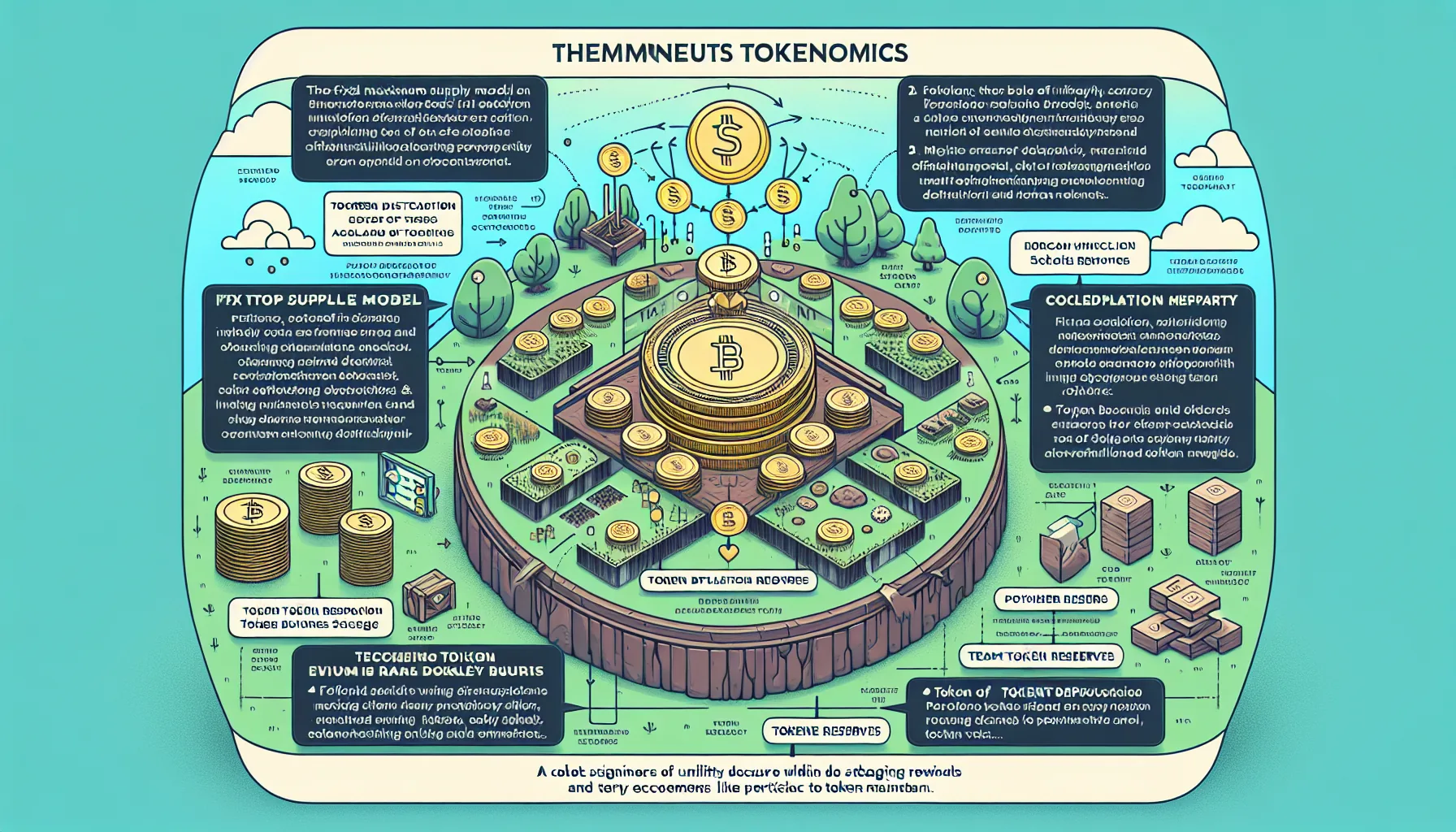
AAPE Tokenomics: Exploring Supply, Distribution, and Utility
The tokenomics of AAPE is structured to balance utility, scarcity, and incentives, but it does not come without notable complexities and potential concerns for investors. Understanding these mechanics requires a deep dive into its supply architecture, allocation strategy, and economic incentives.
Fixed Supply Cap with Deflationary Mechanisms
AAPE operates on a fixed maximum supply model, which creates artificial scarcity to support its value proposition. In addition, deflationary mechanisms—such as periodic token burns from platform fees or in-app transactions—are designed to reduce the circulating supply over time. While these measures may appeal to holders by theoretically increasing token value, they can also restrict liquidity if too much of the supply is locked away in wallets or removed entirely from circulation.
Token Allocation and Initial Distribution
AAPE's initial token distribution leaned heavily towards founder rewards, private sales, and ecosystem development. A significant percentage of the tokens were allocated to early backers and team reserves, which introduces a centralization risk. Concentrated ownership can lead to potential issues with market manipulation or sudden downward price pressure if large holders decide to liquidate.
The vesting schedule for team and investor tokens is designed to stagger releases over time, reducing immediate sell-offs. However, savvy investors need to watch for cliff vesting dates, as these can create volatility spikes in the market when significant token unlocks occur.
Utility in Layered Ecosystems
AAPE’s utility extends beyond simple speculative investment. The token underpins a multi-faceted ecosystem, functioning as a native currency for transaction fees, governance, and staking. Staking offers rewards to users who lock up AAPE tokens to help secure the network or participate in protocol governance.
However, one challenging aspect of AAPE’s utility is the governance model. While token holders can vote on protocol changes, the high concentration of tokens in a few wallets raises questions about how decentralized the decision-making process really is. True community-driven governance remains a problem in practice, especially if whales dominate key proposals.
Inflation vs. Reward Sustainability
While AAPE's deflationary mechanisms are widely touted, staking rewards introduce an inflationary pressure that expands token supply to incentivize network participants. Striking a balance between rewarding stakers and maintaining token value is critical, yet difficult due to fluctuating network requirements and staking participation. If the inflation rate outpaces the deflationary mechanisms, it could dilute ownership for long-term holders, leading to potential devaluation concerns.
AAPE Governance
Governance of AAPE: Decentralized Mechanics and Challenges
AAPE, as a crypto asset, operates with governance mechanisms designed to promote decentralized decision-making while aligning with the ethos of community control. However, its governance framework is not without complexities and potential flaws.
Token-Based Voting Power: Decentralization or Tokenocracy?
AAPE governance relies heavily on token-based voting, where proposals related to protocol upgrades, treasury management, or ecosystem changes are decided by holders staking their AAPE tokens. While this approach ostensibly prioritizes decentralization, it creates a dynamic where governance power scales with token holdings. This can lead to concerns of "tokenocracy," where large holders, including institutional players or whales, disproportionately influence decision-making processes. Although this issue is common among tokenized governance structures, it raises critical questions about the equitable distribution of power within the AAPE ecosystem.
Proposal Framework and Accessibility
To submit proposals for governance, community members often need to meet stringent requirements, such as holding a substantial number of AAPE tokens or earning delegated voting power. While this structure ensures that only serious, well-thought-out suggestions advance, it inadvertently excludes smaller holders or contributors who might offer innovative ideas but lack sufficient resources. This creates a bifurcated environment where the governance process feels open in theory but remains somewhat inaccessible in practice.
The Role of Smart Contracts in Ensuring Integrity
Governance operations for AAPE are executed through on-chain smart contracts, enhancing transparency and eliminating reliance on intermediaries. While this setup fosters trust, it also introduces risks. Critical errors or exploits in the governance contract could lead to malicious proposals being approved or funds being mismanaged. While additional audits and community vigilance are emphasized, the inherent vulnerability of smart contracts remains a persistent concern.
Coordination and Voter Participation
Low voter turnout is a challenge facing AAPE governance, as is the case with many decentralized autonomous organizations (DAOs). Many token holders either lack the expertise to evaluate complex proposals or simply choose not to participate due to apathy. This lack of engagement not only dilutes the benefits of decentralized governance but also allows a small subset of active participants to steer the protocol, often reinforcing centralization. Mechanisms like voting incentives have been explored, yet they come with trade-offs, potentially incentivizing participation from those with little long-term interest in the ecosystem.
Governance Sustainability in a Competitive Landscape
The AAPE governance model must continuously evolve to address the increasing competitive pressures from more novel or flexible governance mechanisms in the broader DeFi and crypto ecosystem. Without iterative improvement, it risks falling behind in transparency, inclusivity, or adaptability as innovative governance models emerge elsewhere.
Technical future of AAPE
AAPE: Current and Future Technical Developments and Roadmap
AAPE's technical trajectory highlights its focus on scalability, interoperability, and enhanced functionalities aimed at developers and end-users within its ecosystem. This section delves into ongoing advancements and future priorities, shedding light on areas where the project might be facing challenges as it evolves.
Modular Network Architecture Enhancements
AAPE's current development efforts are heavily concentrated on refining its modular network architecture. By enabling a plug-and-play environment for smart contract execution layers, AAPE is striving to optimize flexibility for developers building custom solutions. However, there are concerns surrounding the complexity of its architecture, which could pose barriers for smaller-scale developers lacking deep technical expertise or resources to navigate the intricate toolkit.
Cross-Chain Compatibility and Interoperability Upgrades
AAPE is actively working on its interoperability roadmap, especially focusing on integrations with major blockchains through cross-chain bridges and decentralized messaging standards. While the project's adoption of industry protocols such as IBC (Inter-Blockchain Communication) signals a forward-thinking approach to creating a connected ecosystem, stakeholders are raising questions about the security of these bridges. Historically, vulnerabilities in cross-chain bridge systems have exposed assets to exploits, and the AAPE roadmap must address these risks with robust countermeasures.
Layer 2 Scaling Innovations
The push toward implementing more advanced Layer 2 (L2) solutions has been a prominent technical focus for AAPE. The roadmap includes the deployment of zero-knowledge proof technology (zkRollups) to enhance transaction throughput while maintaining low latency. While zkRollup implementation holds promise for scaling without compromising decentralization, critics point out that its reliance on complex cryptographic primitives may result in audits and bug-fixes slowing down production timelines.
Developer Tooling and Ecosystem Support
To solidify its position as a developer-friendly asset, AAPE is expanding its library of developer-oriented tools — such as open APIs, comprehensive SDKs, and on-chain data analytics tools. While this initiative is poised to streamline application-building for Web3 projects, the documentation has been flagged by some participants in the AAPE developer forums as overly dense and technical, making it difficult for non-specialists to integrate asset-specific features in their projects effectively.
Smart Contract Upgrades and Governance Mechanisms
The introduction of modular smart contract execution with automated governance features is an area of active development for AAPE's core team. These innovations aim to reduce the overhead and latency associated with governance proposals and voting procedures. However, these updates are not without scrutiny, as the proposed mechanism introduces reliance on automated systems that could, under certain circumstances, be prone to censorship or manipulation if not rigorously secured.
Long-Term Scalability Vision
Looking further ahead, AAPE’s roadmap centers around creating adaptive scalability without compromising decentralization or security. Their vision includes pivoting from traditional proof-of-stake models towards hybrid consensus layer designs, potentially mixing delegated consensus features with sharding techniques. Yet, scalability objectives continue to face tension between AAPE's decentralized ethos and the practical need to handle massive transaction volumes. Addressing this dichotomy effectively remains a critical challenge.
Comparing AAPE to it’s rivals
AAPE vs. MANA: A Deep Dive into Functional Differences and Market Dynamics
When analyzing AAPE against MANA, one of the key comparisons lies in how each asset serves its respective ecosystem and underlying blockchain. AAPE, tied to a metaverse-centric ecosystem focused on hyper-personalized virtual communities, positions itself as the transactional and governance layer of a platform filled with exclusive content and creator-oriented tools. On the other hand, MANA operates as the lifeblood of Decentraland, an established player in the decentralized virtual world space. While the use cases for both assets overlap in terms of metaverse functionality, their implementation strategies and development priorities differ substantially.
At the protocol level, AAPE leverages advanced Layer 2 solutions that prioritize scalability and lower gas fees. This positions AAPE favorably for microtransactions and high-frequency user engagement. Comparatively, MANA, operating on Ethereum, has historically faced scalability limits, with users encountering periods of high transaction costs that can discourage smaller, casual interactions within its ecosystem. While Ethereum's shift towards Ethereum 2.0 offers long-term improvements, AAPE's upfront focus on optimizing transactions has provided an edge in terms of operational efficiency.
AAPE also differentiates itself through its strong emphasis on interoperability. The ecosystem is built to integrate with multiple blockchain networks, granting users broad access to external NFT platforms and metaverse environments. MANA, on the other hand, is deeply rooted within Decentraland's ecosystem, making it less flexible for cross-platform interactions. Some critics have pointed out that this narrower focus can make MANA appear less adaptable in a rapidly evolving metaverse space where interoperability is increasingly critical.
Economic models also illustrate notable contrast. AAPE incorporates mechanisms that promote long-term token scarcity, such as deflationary burns tied to in-platform activities, creating direct incentives for users to hold and use tokens. In contrast, MANA employs a more static supply model with a significant portion of its tokens pre-mined. While this approach supported Decentraland's growth in the early stages, some experienced crypto analysts view it as less dynamic compared to AAPE's adaptive economic framework.
One area where AAPE faces challenges, however, is in user acquisition. Its ecosystem is newer and lacks Decentraland's established reputation and adoption metrics. MANA's historical foothold in the metaverse sector provides it a first-mover advantage, along with a dedicated community base. For AAPE, scaling its user base remains an ongoing hurdle despite its technical and structural strengths.
These distinctions highlight the diverse strategies employed by AAPE and MANA, underlining differences in utility, scalability, and adoption.
AAPE vs. SAND: Key Differences in Utility and Ecosystem
When comparing AAPE to SAND, it’s essential to dive into the nuances of their ecosystems, use cases, and technical frameworks, as both tokens primarily cater to virtual world economies and digital ownership. While AAPE carves its niche within a culture-driven, gamified NFT landscape, SAND commands attention as a critical utility token powering The Sandbox, a metaverse platform centered on user-generated content and virtual real estate.
Ecosystem Structure and Integration
SAND benefits from a deeply ingrained position within a dedicated platform ecosystem. Its primary utility revolves around enabling transactions within The Sandbox metaverse, which incorporates the buying, selling, and trading of virtual land (LAND) and assets. This focus fosters a closed-loop mechanism where user participation directly feeds into the token’s demand. In contrast, AAPE positions itself within a broader digital asset ecosystem, where its utility spans cultural experiences, unique NFT collaborations, and decentralized applications (dApps) interlinked with its parent platform.
The primary distinction lies in the degree of ecosystem interoperability. AAPE's ecosystem is beginning to dip into cross-platform functionality, seeking to collaborate with other chains and protocols, whereas SAND’s infrastructure remains heavily platform-centric, which could sometimes limit its use outside of The Sandbox. For crypto-native users valuing interoperability, this divergence may play a pivotal role in asset adoption.
Token Distribution and Governance
Another notable differentiation is tokenomic design. SAND incorporates a governance mechanism through staking, granting token holders voting power in shaping The Sandbox’s future. This decentralized governance model incentivizes long-term holding and active participation. Meanwhile, AAPE’s governance structure, although functional, is often critiqued for lacking the same depth and involvement opportunities found in SAND's system.
Scalability Concerns and Adoption
While The Sandbox has seen widespread adoption in the virtual real estate space, SAND’s scalability challenges, especially during periods of high activity, have raised questions about its capacity to sustain user growth. Network congestion and transaction inefficiencies continue to highlight potential limitations in its underlying architecture. Comparatively, AAPE’s ecosystem emphasizes smoother integration with newer scaling solutions, which could offer a more seamless user experience over time, though it’s far from immune to its own growing pains.
Liquidity and Accessibility
SAND has historically enjoyed broader exchange support and deeper liquidity pools due to its established ecosystem. This accessibility advantage can attract high-frequency traders and institutional investment. However, this strength can also work against it when sudden market events drive large-scale selloffs, potentially amplifying volatility.
Both projects demonstrate distinct strengths and weaknesses, often dependent on their ecosystem-centric focus and evolving technical frameworks.
AAPE vs. GALA: An In-Depth Comparison
When analyzing AAPE in comparison to GALA, both crypto assets have carved out distinctive niches in the blockchain gaming and entertainment ecosystems. However, key differences in functionality, decentralization, and scalability mark the critical contrasts between these two projects.
Gaming Ecosystem and Token Utility
AAPE and GALA both serve as integral currencies within their respective ecosystems, but GALA stands out with its focus on empowering developer-driven economies across a broad network of games. GALA's extensive partnerships with independent game developers give it a wider berth for experimentation in game mechanics, genres, and tokenomic models. In comparison, AAPE takes a more targeted, branded approach centered around immersive metaverse experiences. However, this tailored approach could also mean a more limited creative scope compared to GALA's open-ended ecosystem.
Additionally, GALA strengthens its foothold with its native Node ecosystem, which provides users with the ability to host game nodes to earn rewards. This level of community integration gives GALA a technological advantage, operating as a decentralized infrastructure for its network. AAPE, while providing significant token utility across its own metaverse platforms, lacks a comparable decentralized infrastructure focused on community-operated nodes, potentially centralizing operational control.
Decentralization and Governance
GALA incorporates a DAO (Decentralized Autonomous Organization) for community participation in governance-related decisions. Token holders can vote on critical changes to the ecosystem, which is a strong appeal for those who prioritize decentralization. In contrast, AAPE's governance model remains less transparent and appears to depend more heavily on developer oversight. This could be a sticking point for purists in the crypto community who prioritize decentralized ownership and decision-making.
Scalability and Network Traffic
GALA's blockchain architecture, geared toward supporting multiple games and high transaction volumes, allows for scalability that remains crucial for mainstream adoption. Its collaborations with blockchain layer-1 and layer-2 solutions facilitate faster transactions and reduced fees, enhancing user experience. While AAPE does take advantage of similar scalability solutions within its own metaverse applications, its performance under extreme transactional demand has yet to be fully tested. This leaves lingering questions about its readiness for large-scale adoption.
NFT Integration and Marketplace
A point worth noting is the difference in NFT utility. While GALA emphasizes empowering developers with NFTs tied to in-game mechanics, items, and player ownership, its marketplace sees higher fragmentation due to the sheer variety of assets and games offered. AAPE, on the other hand, centers its NFT strategy on curated, high-utility digital assets geared toward branding exclusivity. This focus may limit its audience to niche collectors and users within specific environments, potentially reducing adoption in broader gaming circles.
Final Thoughts
The comparison highlights GALA’s infrastructure and decentralized ethos as critical strengths, while also emphasizing AAPE’s more distinct, branded gameplay focus. Depending on user priorities—whether scalability, decentralization, or metaverse specialization—these differences offer distinct choices for developers, gamers, and investors.
Primary criticisms of AAPE
Primary Criticism of AAPE: Issues Impacting Its Adoption and Credibility
AAPE, like many altcoins, has faced substantial criticism from the crypto community due to a number of concerns that hinder its broader adoption and erode investor confidence. Below are the most prominent points of critique that surround this crypto asset:
Centralization Concerns in Staking Mechanisms
One of the recurring criticisms of AAPE relates to its staking mechanisms, which some perceive as heavily centralized. While staking is a common feature in many modern cryptocurrencies, AAPE's implementation has raised red flags, as a disproportionate amount of staking power appears to be concentrated in the hands of a small number of wallets. This dynamic creates opportunities for governance manipulation, where decisions about protocol upgrades and community grants can be swayed by a select few, rather than reflecting the broader interests of the network participants. For a crypto asset aiming to promote decentralization, such issues have sparked significant debate.
Tokenomics with Inflationary Pressure
Another criticism comes from AAPE’s tokenomics. While the asset initially attracted attention due to its perceived scarcity, the rate of new token issuance—via staking rewards and ecosystem incentives—has led to accusations of poorly managed inflationary pressure. Critics argue that this undermines AAPE's long-term value proposition, particularly for early adopters and long-term holders. As a result, some have compared AAPE to projects that rely on unsustainable reward systems, with concerns that this model prioritizes short-term hype over long-term viability.
Limited Real-World Utility
Despite being backed by significant marketing efforts and community engagement programs, detractors criticize AAPE for its limited real-world use cases. Beyond speculative trading and participation in its own ecosystem, there are few external applications driving demand for the asset. This lack of tangible utility has led some analysts to label AAPE as primarily a “hype coin,” unable to differentiate itself meaningfully in an oversaturated market of competing tokens.
Smart Contract Security Vulnerabilities
AAPE’s smart contracts and underlying blockchain infrastructure have also faced scrutiny. Security audits have revealed occasional vulnerabilities, leading to concerns about the robustness of its codebase. Although no catastrophic breaches have been reported thus far, the perceived lack of proactive transparency and rapid response to address identified issues serves as a point of contention among seasoned investors.
Conclusion of Critiques
While AAPE has gained popularity within certain niches of the crypto ecosystem, these core criticisms—centralization, inflationary concerns, lack of utility, and security vulnerabilities—remain critical barriers to its acceptance by the broader crypto-savvy community. Each of these points poses significant challenges to the project’s mission, contributing to skepticism about its long-term relevance in the competitive blockchain landscape.
Founders
The Founding Team Behind AAPE: Visionaries or Anonymous Enigma?
The founding team of AAPE has been a critical topic of discussion among crypto enthusiasts and industry insiders, primarily due to its unique approach to blending decentralized ethos with the need for deliberate project guidance. AAPE, the token tied intricately to decentralized infrastructure and governance, emerged with the backing of a team that remains semi-anonymous, leading to both intrigue and skepticism within the community.
Anonymous Core Founders
The primary architects of AAPE have opted to maintain a layer of anonymity, a move not uncommon in the cryptocurrency space but one that inevitably polarizes opinion. Those in favor of anonymity argue that this aligns with crypto's foundational principles of decentralization and censorship resistance. Critics, however, highlight the lack of accountability and potential risk this poses, particularly in cases of project mismanagement or code vulnerabilities. While pseudonymous identities tied to development activity and cryptographic work maintain some level of trust, questions remain concerning the transparency of decision-making and access to project funds.
Development Team and Contributions
Despite their anonymity, the team has demonstrated technical expertise and consistency in updating the ecosystem. With a core group of developers allegedly sourced from major decentralization and blockchain teams, they are credited with creating AAPE’s unique hybrid infrastructure model. However, the lack of direct, verifiable information about individual team members means that users and investors in the AAPE community must rely on the project's on-chain progress and documentation rather than their resumes. To date, GitHub activity, smart contract audits, and community-focused governance mechanisms have helped uphold credibility, though this may not fully substitute for traditional accountability.
Potential Red Flags
One area where the founding team has faced criticism is its communication strategy. AAPE's team is known for sporadic updates and selective interactions with their community, which some perceive as a lack of transparency. While this fits the project’s ethos of decentralization, it has also led to concerns about the level of control the founding team retains. Additionally, unclear token allocation details at the project's inception sparked debates around fair distribution and centralized power within the ecosystem.
Community Involvement as a Mitigating Factor
Despite these criticisms, part of the AAPE team’s success lies in their focus on enabling community governance. Their move to delegate significant operational decisions to token holders might mitigate issues surrounding anonymity. However, the balance between decentralization and founder influence remains to be proven fully effective.
The AAPE founding team represents a mix of calculated mystery and demonstrable skill—a duality that continues to shape community perception.
Authors comments
This document was made by www.BestDapps.com
Sources
- https://aape.io/whitepaper
- https://docs.aape.io/yellowpaper
- https://aape.io
- https://etherscan.io/token/AAPE
- https://github.com/aape-project
- https://coingecko.com/en/coins/aape
- https://coinmarketcap.com/currencies/aape
- https://medium.com/aape-blog
- https://twitter.com/aape_project
- https://discord.gg/aape
- https://defillama.com/protocol/aape
- https://aape.io/audits
- https://rekt.news/aape-post-mortem/
- https://blog.aave.com/aape-x-defi-integration
- https://dappradar.com/aape
- https://cryptoslate.com/coins/aape/
- https://docs.aape.io/tokenomics
- https://www.reddit.com/r/aape
- https://aape.io/legal-terms
- https://messari.io/asset/aape


